Work Style Assessment: A Complete Guide to How You Work Best

A work style assessment is really just a tool that pulls back the curtain on how people tick at work. Think of it as a playbook for your team—one that decodes everyone's unique professional "operating system" so you can finally get everyone working together in harmony.
So, What Exactly Is a Work Style Assessment?
Picture a world-class orchestra. Would the conductor just hand out instruments at random, hoping for the best? Of course not. You need to know who plays the violin with passion, who keeps the rhythm steady on the drums, and who commands the stage with the cello.
Yet, so many companies run their teams exactly like that—completely in the dark about the natural talents and preferences of their people. This is where a work style assessment changes the game.
It’s not a test with a right or wrong answer. It has nothing to do with how smart someone is or how skilled they are. It’s more like a diagnostic tool that reveals the invisible forces shaping how we all show up at work. It gives you a common language to talk about the things that usually go unsaid. For example, it helps you understand why your lead designer in San Francisco needs total silence to be creative, while your project manager in New York thrives in the buzz of a busy open office.
Decoding Your Team's DNA
Let's try another angle. Think of your team as a band trying to write a hit song. A work style assessment helps you figure out who plays what role, regardless of their official job title:
• The Lyricist: • This is your detail-oriented perfectionist. They thrive on getting the words just right, focusing intently on their part until it's flawless.
• The Composer: • This is your big-picture visionary. They're all about the melody, the overall feel, and how different parts can come together to create something totally new.
• The Producer: • This person is the master organizer. They keep track of the studio time, make sure everyone is on the same page, and guide the project from a rough demo to a polished track.
Without knowing these natural styles, you might see the Composer’s brainstorming as "unfocused," or the Lyricist’s need for quiet as "uncooperative." A work style assessment flips that script, turning potential friction points into your team’s greatest strengths.
A work style assessment isn't about boxing people in. It's about understanding what makes them tick so you can give them the freedom—and the right environment—to do their best work.
What Do These Assessments Actually Uncover?
So, what kind of juicy details do these assessments reveal? They dig way deeper than just personality quirks, getting to the core of how someone functions in a professional setting. They typically measure things like:
• How people communicate: • Do they prefer a quick, blunt email, or do they need a face-to-face chat to really hash things out?
• How they make decisions: • Are they all about the data and the spreadsheets, or do they trust their gut and the collective wisdom of the group?
• How they handle conflict: • When things get tense, do they face it head-on, or do they try to find a middle ground that keeps everyone happy?
• Their preferred pace: • Do they love the thrill of a fast-moving, unpredictable day, or do they need structure and a clear plan to feel productive?
Getting this kind of insight is no longer a "nice-to-have." The global market for this kind of work is currently valued at a whopping $500 billion and is expected to grow at 15% each year through 2033. You can dig into more of this data over at DataM Intelligence .
This isn't just a trend; it's a fundamental shift in how smart companies operate. When you understand these core preferences, you can finally stop guessing what your team needs and start leading with genuine insight.
Diving Into the Most Popular Work Style Models
Stepping into the world of work style assessments can feel a bit like trying to pick a new show on Netflix—so many options, all claiming to be the next big thing. But don't sweat it. We’re here to be your friendly guide, walking you through the most popular models so you can find the perfect one for your team.
Think of these models less like rigid boxes and more like different genres of storytelling. Each one gives you a unique lens to understand the characters on your team and the roles they were born to play.
The DISC Model: The Classic Sitcom Cast
First up is the DISC model . It’s so straightforward and relatable, it’s like casting a classic sitcom. You’ll probably recognize these four main characters from around your own office.
• Dominance (D): • This is your take-charge leader, the one who runs the meeting and wants to skip the fluff. Picture Michael, a driven sales director in a Boston tech firm. He’s decisive, loves a good challenge, and is all about the bottom line.
• Influence (I): • Say hello to the office social butterfly. This is the charming, optimistic team member who builds bridges and gets everyone pumped for a new project. That's Sarah, a marketing coordinator in Austin—she’s persuasive and absolutely thrives on collaboration.
• Steadiness (S): • Every team needs a dependable anchor, and this is it. They’re calm, patient, and incredibly supportive, creating a stable and harmonious vibe. This is David, an HR manager from Seattle, who listens intently and makes sure everyone feels heard.
• Conscientiousness (C): • And here's the meticulous planner who catches every single detail. They're analytical, systematic, and committed to quality. Meet Emily, a financial analyst in Chicago, who ensures every report is flawless before it even thinks about leaving her desk.
The real beauty of DISC is its simplicity. It gives you a quick, easy-to-grasp framework for understanding how people prefer to operate, making it a fantastic starting point for smoothing out everyday communication.
The diagram below breaks down how a work style assessment gives you a window into core professional behaviors like communication, decision-making, and conflict resolution.
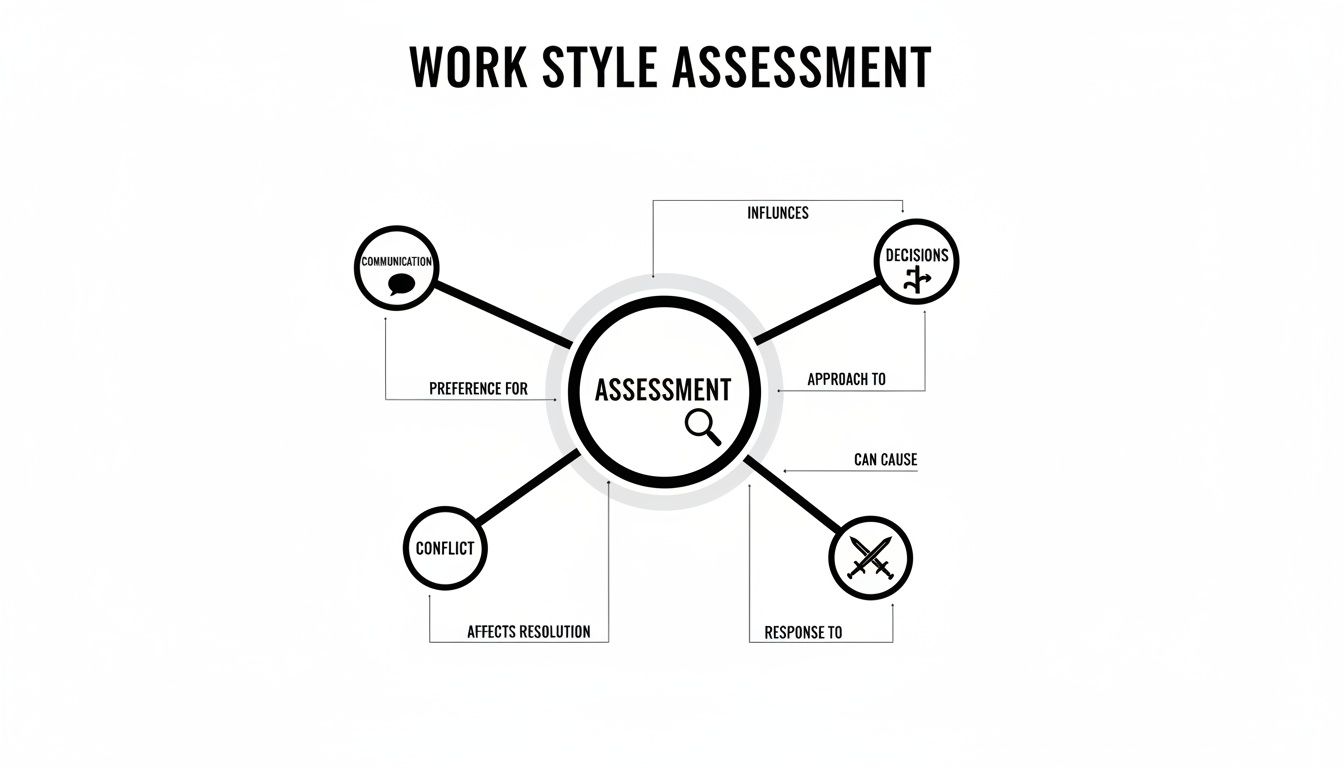
As you can see, a single assessment can shed light on multiple facets of someone’s professional approach. It's a powerful tool for developing your team in a truly holistic way.
The MBTI: The Personality Architect
Next, we have the Myers-Briggs Type Indicator (MBTI) , which is more like an intricate character study. It maps out 16 distinct personality types based on four key preferences:
An MBTI result, like "INTJ" or "ESFP," gives you a much more detailed blueprint of someone's inner world. For instance, a software engineer in Silicon Valley might be an "ISTJ," thriving on logic and established processes, making them excellent at debugging complex code. While many find it incredibly insightful, its complexity can be a double-edged sword. It’s brilliant for deep self-reflection but can sometimes be a little heavy for a quick team-building exercise. For a deeper dive, check out our guide comparing the Enneagram vs. MBTI .
The Enneagram: The Motivational Map
Finally, there’s the Enneagram . This one takes a totally different route. Instead of focusing on what you do (your behavior), it digs into why you do it (your motivation). The Enneagram Test outlines nine core types, each driven by a fundamental fear and a core desire.
The Enneagram Test doesn't just describe your actions; it reveals the engine driving them. It shows you the core motivation that shapes your entire worldview.
For instance, a "Type Three - The Achiever" is driven by a desire to be valuable and worthwhile, which is what fuels their ambition. On the other hand, a " Type Nine - The Peacemaker" is motivated by a need for inner stability, which causes them to avoid conflict at all costs. Understanding these deep-seated drivers can be a complete game-changer for leadership development and untangling team friction.
Many of these work style frameworks also draw inspiration from the well-established Big Five personality traits.
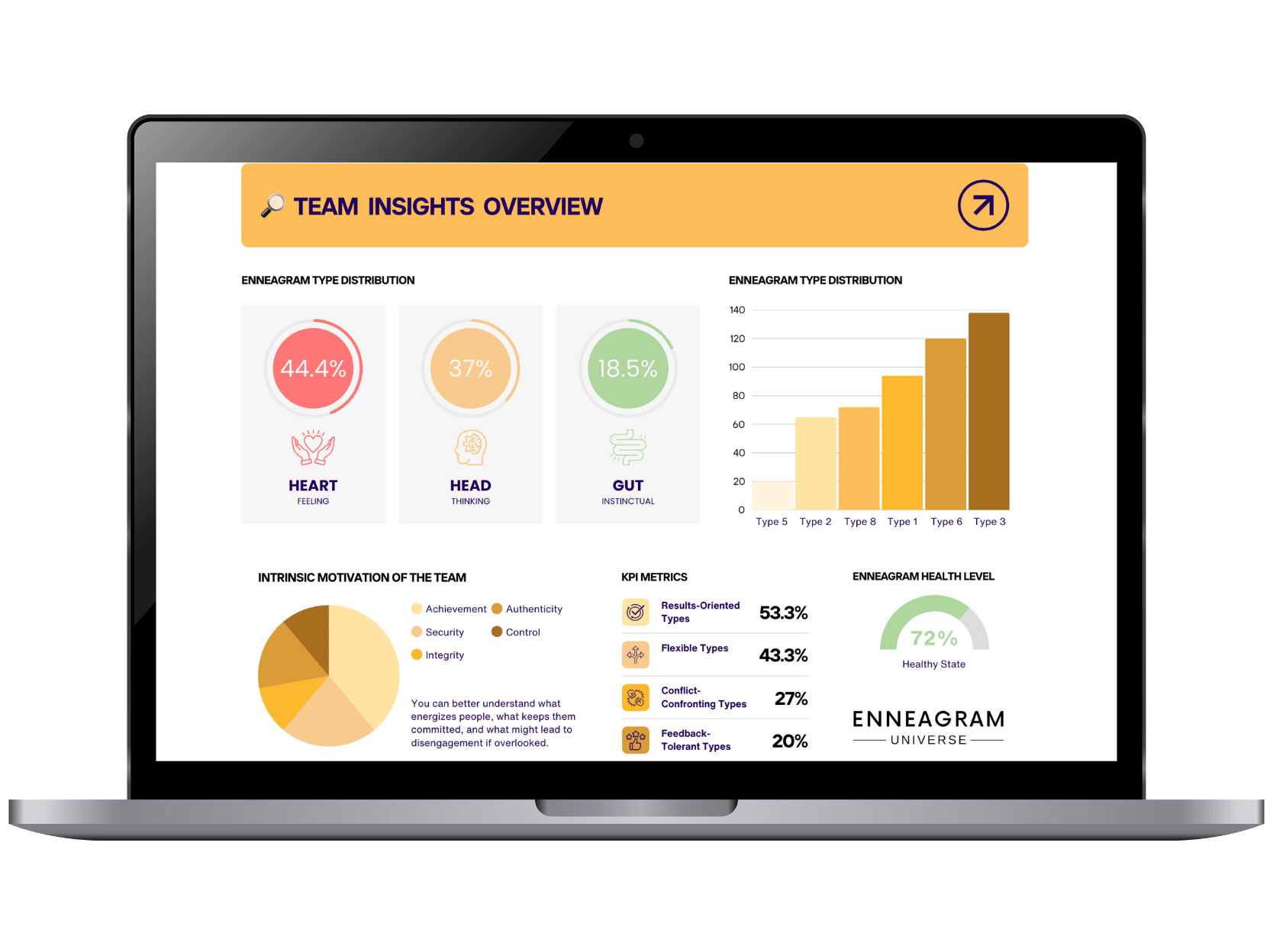
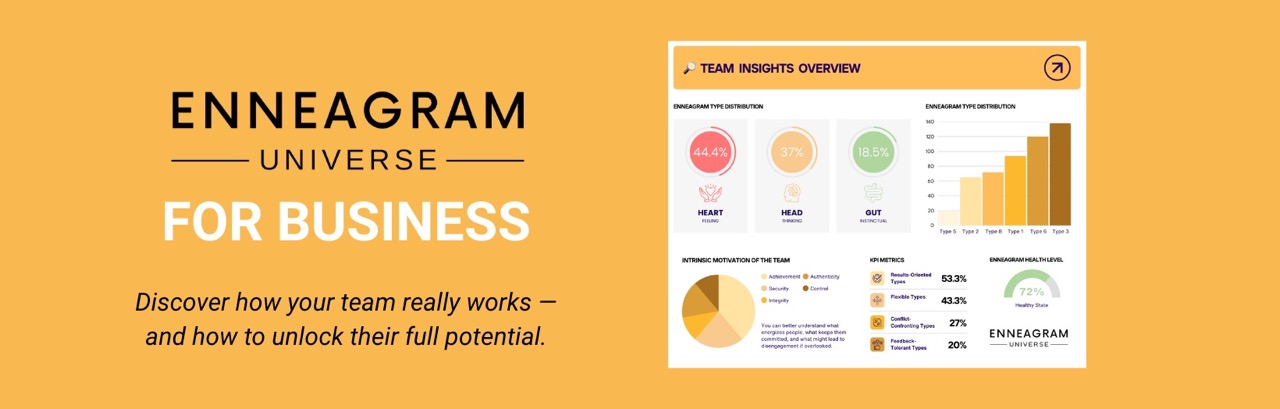
Enneagram for Business: turn your team’s personalities into real performance, collaboration, and results—start the team test today. TEST YOUR TEAM HERE!
Comparing Popular Work Style Assessment Models
To help you choose the right tool for the job, here’s a quick glance comparison of the big three.
| Model | Focuses On | Best For | Example Insight |
|---|---|---|---|
| DISC | Observable behaviors and communication styles. | Quick team alignment and improving day-to-day interactions. | "This person is direct and results-oriented; get straight to the point with them." |
| MBTI | Cognitive preferences and how people process the world. | In-depth personal development and understanding individual differences. | "This person makes decisions based on logic and objective data (Thinking)." |
| Enneagram | Core motivations, fears, and desires. | Leadership coaching, conflict resolution, and deep team transformation. | "This person's drive for achievement stems from a core need to feel valuable." |
So, which model is best? Honestly, it depends entirely on your goal. Are you looking for a quick communication tune-up, a deep dive into individual personalities, or a map of your team’s core motivations? Each of these powerful tools offers a unique path to building a more self-aware, effective, and connected team.
Using Assessments to Supercharge Your Hiring
Let's be honest, most hiring is just a sophisticated guessing game. You sift through a mountain of resumes, sit through interviews that feel like stilted first dates, and then make a gut decision, crossing your fingers it doesn't blow up in your face a few months later. It's time to stop gambling and start getting real insights. Weaving a work style assessment into your hiring process is like being handed a cheat sheet for building a team that actually works.
This isn't about finding some mythical "perfect" candidate. It's about finding the right fit —for the specific role, for your existing team, and for your company's unique vibe. Think of it as casting for a movie. You wouldn't hire a brilliant dramatic actor for a slapstick comedy role, would you? The same logic applies here. You need someone who's naturally wired for the part they're about to play.

This idea of looking beyond a resume is catching on everywhere. The World Economic Forum’s Future of Jobs Report points out that analytical thinking is the number one skill companies are hunting for, with a whopping seven out of ten calling it crucial. What does that tell us? Smart companies care more about how people think and adapt than what’s listed on their CV. You can dive into the comprehensive research on the future of job skills yourself.
Define the Ideal Work Style for the Role
Before you even glance at a single resume, you need a clear picture of what success in this job actually looks like. What's the work style DNA of the person who will kill it in this role? A high-pressure sales job probably needs someone dominant and hyper-focused on results. A customer support role? You’d want someone steady, patient, and empathetic.
• For a Creative Role: • You’re likely looking for a natural innovator who thrives in ambiguity and loves a good brainstorming session. A practical example would be a user experience designer who is comfortable sketching out ten different ideas before landing on one, rather than someone who needs a concrete plan from the start.
• For a Project Manager Role: • The ideal profile is probably someone who lives for structure, obsesses over details, and has a knack for keeping everyone else on task. Imagine hiring for a construction project in Houston; you need someone who triple-checks building codes and timelines, not a visionary who is loose with details.
By creating a "work style profile" for the role first, you establish a benchmark. Your hiring process instantly transforms from a vague search into a targeted mission.
Crafting Smarter Interview Questions
Now that you have your ideal profile, you can throw out those generic, easily-faked interview questions. Instead of asking things that get a simple "yes" or "no," you need to ask behavioral questions that make candidates tell you a story. That's where their true colors show.
Instead of asking: "Are you a team player?" Try this: "Tell me about a time you had a major disagreement with a colleague on a project. How did you handle it, and what was the outcome?"
Instead of asking: "Are you organized?" Try this: "Walk me through how you managed competing deadlines on your last big project. What tools or methods did you lean on to stay on track?"
These questions don't just ask if they can do something; they reveal how they do it. You get a much richer, more authentic snapshot of who they really are under pressure.
Case Study: A Chicago Agency's Creative Coup
Let’s make this real. A boutique marketing agency in Chicago was having a massive problem with team dynamics. They had a room full of brilliant people, but projects kept getting bogged down in creative clashes. One camp was full of big-picture dreamers who could brainstorm for days, while the other was packed with detail-oriented executors who just wanted a concrete plan.
They decided to use a work style assessment when hiring their next graphic designer. They knew they needed a "bridge"—someone who was both wildly creative and meticulously structured. Using a mix of assessments and behavioral questions, they found a candidate who not only had an incredible portfolio but could also talk about how she translates abstract ideas into actionable project plans.
The result was game-changing. The new designer became the team’s anchor. She could hang with the dreamers in the clouds and then bring those ideas down to earth for the executors. That single hire didn't just fill a seat; they balanced the entire team and turned chaotic brainstorms into award-winning campaigns.
Work style assessments are a compass, not a map. They should guide your hiring decisions by providing valuable direction, but never be the sole factor for excluding a candidate.
Ultimately, using these tools is about adding a critical layer of data to your decision-making. They help you look past the polished resume and see the real person—what drives them, how they communicate, and how they’ll actually fit into your world. For a deeper dive into how personality frameworks can help, check out our guide on using the Enneagram test for business . It's a fantastic starting point for building a team that doesn't just work together, but truly clicks.
Building Unstoppable Teams with Work Style Insights
Hiring the right people is just the first lap of the race. The real challenge—and where the magic happens—is forging a group of talented individuals into a single, cohesive unit. This is where insights from a work style assessment go from being interesting data points to a powerful blueprint for collective genius.
Think of it as a manager’s superpower. Understanding your team’s core work styles lets you anticipate friction before it sparks, assign projects to people who will naturally knock them out of the park, and build a culture where different approaches aren't just tolerated, but celebrated as a strategic advantage. It’s the difference between a team that just coexists and one that truly collaborates.

From Conflict to Collaboration
Let's picture a classic office standoff. You’ve got Maria, a 'Pioneer' type who moves at the speed of light. She’s all about rapid iteration, making snap decisions, and charging ahead. Then there’s David, a thoughtful 'Guardian' who is meticulous, risk-averse, and needs to analyze every possible angle before he’s comfortable committing.
Without any awareness of their work styles, this is a recipe for disaster. Maria sees David as a bottleneck, convinced he's deliberately slowing down progress with his endless questions. David, on the other hand, sees Maria as reckless, certain she's about to steer the ship directly into an iceberg. The tension is real, and projects grind to a halt.
Now, let's hit rewind and replay that scenario with work style insights. The team holds a workshop and maps out their styles. Suddenly, Maria has an "aha!" moment. David isn't trying to be difficult; his methodical approach is a vital quality check. He’s the one who will catch a costly mistake that her fast-moving style might completely overlook.
By understanding each other's "why," the team can reframe their differences. Maria's drive becomes the engine, and David's caution becomes the essential braking system. They need each other to win the race safely.
Mapping Your Team’s DNA
The first step is to get a visual on your team’s collective strengths and potential blind spots. A "Team Work Style DNA Map" is a brilliantly simple yet powerful tool for this. Just grab a whiteboard or open a shared digital document and start plotting where each team member lands on a few key spectrums.
• Pace: • Fast-Mover vs. Steady Planner
• Decision-Making: • Data-Driven vs. Intuition-Led
• Communication: • Direct & To-the-Point vs. Collaborative & Relational
• Focus: • Big-Picture Thinker vs. Detail-Oriented Executor
Once everyone is on the map, you can instantly see where your team is balanced and where you might have gaps. For example, if you see that your entire Miami-based sales team is "Fast-Movers" and "Intuition-Led," you might realize you have a blind spot when it comes to long-term strategic planning and need to consciously build in time for data analysis.
Practical Workshops and Communication Scripts
Of course, these insights are useless without open conversation. Here are a couple of ready-to-use ideas to get your team talking:
Workshop Idea: "Style-Swapping Scenarios" Break everyone into small groups and give them a realistic work scenario, like, "We just got some pretty negative client feedback on Project X." Ask each group to role-play how they'd tackle it, but with a twist: they have to approach it from the perspective of a work style that is the complete opposite of their own. This builds a ton of empathy and helps people truly appreciate different points of view. To complement these insights and boost cohesion even more, you could also explore some effective team building activities .
Communication Script for Managers: When you're mediating a disagreement, stop focusing on who is "right." Instead, try a script that centers on work styles: "It sounds like your direct communication style is clashing a bit with her more collaborative approach. How can we find a middle ground where you get the quick answers you need, and she feels her input is fully heard?"
This simple shift reframes the conflict from a personal issue to a simple difference in process, which is infinitely easier to solve. Building on this can reveal even deeper motivations, and you can learn more about how the Enneagram functions at work to enrich your team's understanding even further. By actively using a work style assessment, you give your team a shared language to turn their diversity into their greatest asset.
Adapting Assessments for Remote and Hybrid Teams
How do you lead a team you can’t see? That's the million-dollar question haunting managers everywhere. The old "management by walking around" playbook is officially obsolete. In its place, we're facing a whole new set of headaches—from awkward communication gaps to the very real 'out of sight, out of mind' bias.
This is where a work style assessment becomes a manager's secret weapon. When you can’t rely on body language or those casual water cooler chats to get a read on your team, you need a different tool to fill in the blanks. These assessments give you a clear, objective language to understand what makes each person tick, even when they're miles away.
Overcoming Remote Work Roadblocks
Managing a distributed team can often feel like you're flying blind. You might have a high-performer quietly burning out or a natural-born leader whose talents are completely invisible behind a screen. A work style assessment cuts right through that digital noise.
It helps you figure out who needs what to do their best work. For example, discovering a remote employee is a highly independent 'Driver' is a clear signal to give them ownership of a project and then get out of their way. But if you have a collaborative 'Connector' on your team, you'll know they need more structured virtual check-ins and team projects to stay energized and engaged.
This isn’t just a nice-to-have; it reflects a massive shift in how we work. The demand for remote and hybrid options isn’t going anywhere. Recent analysis shows hybrid models have doubled, now making up 43% of all work arrangements. And a whopping 70% of employees are happy with their work week, partly thanks to the rise of supportive AI tools. To dig deeper into this trend, check out the full global employment trends analysis from Jobspikr .
Tailoring Your Management for Maximum Impact
Think of it like this: managing a remote team without work style insights is like trying to give someone directions without knowing where they're starting from. You could be handing a rigid, step-by-step checklist to a big-picture thinker, creating a recipe for mutual frustration.
Once you have a handle on your team's styles, you can start leading with precision. Here are a few practical ways to do it:
• For the Detail-Oriented Planner: • Give them the structure they crave. Send out clear agendas before virtual check-ins and follow up with action items. They thrive on clarity and will feel much more secure knowing exactly what’s expected. A practical example is sending a developer in Portland a detailed list of bug fixes with clear priorities, rather than a vague request to "improve the app."
• For the Big-Picture Innovator: • Don't micromanage their tasks—give them a problem to solve. Frame projects around the end goal and let them figure out the best path to get there. For instance, tell your Florida-based marketing lead, "We need to increase brand awareness by 15% this quarter," and let them run with the creative strategy.
• For the People-Focused Collaborator: • Be intentional about creating virtual spaces for connection that aren't all business. A virtual coffee break or a dedicated "random stuff" channel can make a world of difference in helping them feel like part of a team.
At the end of a day, work style assessments bridge the physical distance with psychological understanding. They give you the hard data you need to stop making assumptions and start leading with genuine empathy. By bringing back that crucial human context that gets lost behind a screen, you can build a remote or hybrid team that isn’t just productive, but truly connected and thriving.
Got Questions About Work Style Assessments? We've Got Answers.
Even with the best intentions, stepping into the world of a work style assessment can feel like tiptoeing through a minefield. It’s only natural to have a few questions. Let's clear the air and tackle the most common head-scratchers so you can use these tools with confidence.
Think of this as your personal FAQ, designed to help you dodge the common pitfalls and use these insights in a way that’s actually helpful.
Can Someone's Work Style Change Over Time?
Absolutely. A work style isn't a life sentence; it’s more like a preferred setting. While our core personality tends to be pretty stable, the way we show up at work can definitely shift as we gain new skills, take on different roles, or simply get more life experience under our belts.
Think about a junior graphic designer in New York who starts out needing super-detailed creative briefs and frequent check-ins. A few years and a few successful campaigns later, they might blossom into a confident art director who craves autonomy and works best with big-picture goals, not micromanagement. Same person, different context.
The point isn't to box someone in based on old data. Smart companies treat these assessments as a snapshot in time, not a permanent label. It’s about supporting the person they are today and the person they're growing into.
This is why it's a great idea to revisit these conversations, maybe once a year. It helps you see how your team is evolving and ensures you’re giving them what they need to thrive right now.
Are These Things Actually Scientifically Accurate?
That’s the million-dollar question, isn't it? The honest answer is: it depends. The credibility of any work style assessment boils down to the model it's based on.
Some frameworks, especially those built on rock-solid psychological theories like the Big Five personality traits, have some serious scientific muscle behind them. These are typically your best bet for high-stakes decisions like hiring because they’re better at predicting job performance.
Then you have other popular tools, like the MBTI, which many psychologists might side-eye for its lack of rigor. So why is it still used everywhere? Because it’s an incredible conversation starter. It gives teams a simple, shared language to talk about their differences without anyone getting defensive.
The trick is to use the right tool for the job. And no matter which one you use, always treat the results as the beginning of a conversation, not the final word from a science lab.
What's the Biggest Mistake Companies Make with These Assessments?
Hands down, the single biggest mistake is weaponizing the results. This is when the language of work styles is used to stereotype people, limit their opportunities, or excuse bad behavior.
It sounds like, "Don't bother giving that project to Sarah; she's an introvert and won't be able to handle the client." Or, "Of course, John is bulldozing the meeting—he's a High D." This kind of toxic labeling is a fast-track to a resentful team, and it completely defeats the purpose.
Another classic blunder is making a major decision—like a hire or promotion—based only on an assessment. A work style profile is just one data point, sitting alongside a person’s skills, experience, interview performance, and references.
Imagine a manager in Denver who passes over a brilliant, detail-oriented analyst for a promotion because their assessment flagged them as "risk-averse." That manager might be completely missing the fact that this very trait is what makes them so valuable—they’re the ones preventing costly mistakes and keeping the ship steady!
Used wisely, these tools build bridges. Used poorly, they build walls. The goal is always insight, not judgment.
Ready to go deeper than just what you do and understand why you do it? The Enneagram Universe offers a free, in-depth personality assessment that gets to the core motivations driving your work style. Discover your Enneagram type and unlock real strategies for growth.