How to Run Effective Team Meetings That Boost Engagement and Productivity

Let's be real for a second. When you see a "Team Sync" pop up on your calendar, do you feel a surge of excitement? Or is it more of a quiet, soul-crushing sigh? Yeah, I thought so. For most of us, the words "team meeting" conjure images of rambling monologues, agendas that went MIA, and that sinking feeling that this really could have been an email.
You're not just imagining it. This sense of "meeting fatigue" is a real productivity killer. It's not even about how long the meetings are; it's the sheer number of them. Research consistently shows that the frequency of meetings does more damage to our focus and well-being than the total time spent in them.
Globally, we're talking about a staggering 24 billion hours a year lost to meetings that go nowhere. If you want to dive into the data, you can explore the evidence behind productive meetings and see just how bad it's gotten.
The Hidden Price Tag on Pointless Meetings
The real problem isn’t the meeting itself. It’s the lack of thought behind it. We schedule them out of habit, jamming our calendars with performative get-togethers instead of protecting time for the deep work that actually moves the needle.
Every time you sit through a pointless meeting, it's not just an hour down the drain. It shatters your focus, kills creative momentum, and sucks the energy out of the room. It’s the ultimate productivity buzzkill.
A meeting without a clear purpose, a defined outcome, and concrete next steps isn't a meeting at all—it's just a group chat happening in real-time. Truly productive collaboration has to be designed with intention.
From Dreaded Obligation to Genuine Opportunity
But what if we could flip the script? Imagine a calendar invite that people actually look forward to opening. A well-run meeting isn't a necessary evil; it's one of the most powerful tools a team has.
When done right, a meeting can be the perfect space for:
• Getting Aligned: • Making sure everyone's rowing in the same direction with the same map. For example, a project kickoff meeting ensures the engineering, marketing, and sales teams all agree on the launch timeline and goals.
• Sparking Creativity: • Brainstorming ideas that one person could never come up with alone. Think of a marketing team huddled around a whiteboard, riffing on campaign slogans until they land on the perfect one.
• Building Connection: • Fostering the trust and rapport that holds a great team together. A weekly team huddle that starts with a quick personal check-in can strengthen bonds, especially for remote teams.
This guide is your playbook for making that happen. We're going to walk through the nitty-gritty of planning, running, and following up on meetings that actually get things done. With a few smart changes, you can stop the calendar clutter and turn your meetings into a genuine competitive advantage.
Crafting Your Pre-Meeting Blueprint
Let's be honest: an effective team meeting is won long before anyone clicks "Join." The real magic happens in the quiet preparation beforehand. This pre-game huddle is where you transform a potential time-waster into a focused, high-impact session that actually gets things done.
Think of it this way: a meeting without a plan is like starting a road trip from Chicago to Los Angeles without a map. You'll burn a lot of fuel, go in circles, and probably end up frustrated and lost in Kansas. Yet, a shocking number of meetings operate exactly this way.
A multi-year analysis dropped some pretty grim stats for 2024. A staggering 64% of recurring meetings and 60% of one-off meetings had no clear agenda. It gets worse. Only 37% of meetings actually lead to a documented decision. That means your team is likely walking out of two out of every three meetings without clear outcomes or action items.
This little diagram perfectly captures that all-too-common slide from meeting overload to wasted resources.
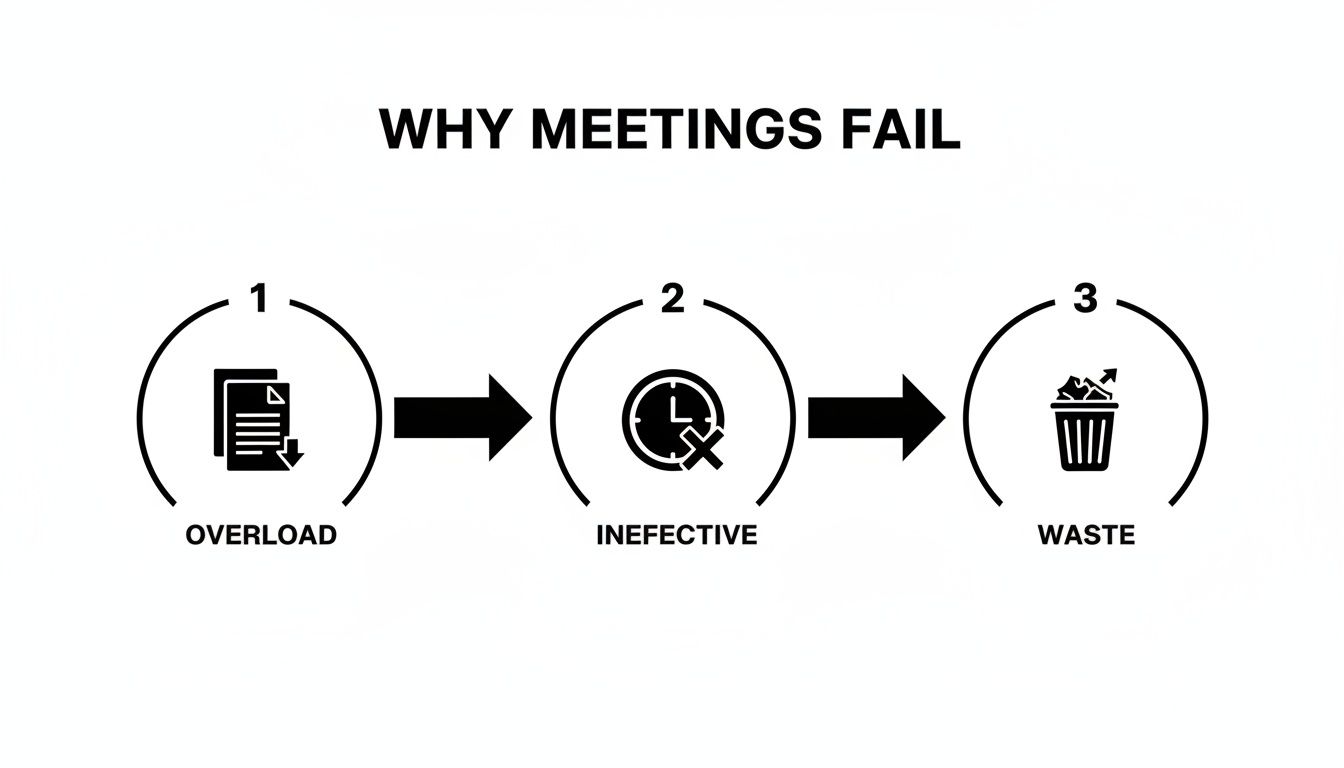
It shows how a lack of prep quickly snowballs into a mess of ineffective collaboration and, ultimately, a drain on the company's time and money. Your pre-meeting blueprint is the antidote.
Define the Outcome, Not Just the Topic
Here’s the single biggest upgrade you can make to your agenda: shift from listing topics to defining outcomes . A topic is passive. An outcome is active. It forces you to answer the most important question of all: "Why are we even meeting?"
A solid agenda is your best defense against pointless meetings. If you want to make sure you're not falling into common traps, it's worth checking out the fatal flaws in your meeting agenda template to build one that drives results.
Let’s look at how to reframe some common, lazy agenda items into something with teeth:
• Instead of: • "Discuss Q3 marketing."
• Try: • "Decide on the tagline for the Q3 marketing campaign."
• Instead of: • "Project Phoenix Update"
• Try: • "Identify and solve the top 3 blockers for the Project Phoenix launch."
• Instead of: • "Brainstorm new features."
• Try: • "Generate 10-15 potential feature ideas to solve customer pain point X."
This small linguistic shift changes everything. It gives the meeting a clear finish line and ensures everyone understands what success looks like before they even show up.
Choosing the right agenda structure is also key. Not all meetings are created equal, so your agenda shouldn't be a one-size-fits-all document.
Agenda Frameworks for Different Meeting Goals
This table showcases three distinct agenda structures tailored for specific meeting outcomes, helping you choose the right format.
| Meeting Type | Key Agenda Components | Example Goal |
|---|---|---|
| Decision-Making | 1. State the Decision Needed (1 min)2. Present Context & Options (10 min)3. Pro/Con Debate (15 min)4. Vote & Document Decision (4 min) | Choose between two vendors for the new CRM system. |
| Problem-Solving | 1. Define the Problem (5 min)2. Brainstorm Root Causes (10 min)3. Generate Solutions (15 min)4. Assign Owners for Top 3 Ideas (5 min) | Figure out why customer churn increased by 15% last month. |
| Informational | 1. Share Key Updates (10 min)2. Highlight Key Metrics (5 min)3. Open Q&A (10 min)4. Confirm Key Takeaways (5 min) | Update the team on the quarterly performance results. |
Picking a framework like one of these gives your meeting an immediate sense of purpose and structure.
Build Your Lean Guest List
Once you have a crystal-clear outcome, building the guest list becomes radically simpler. The question changes from "Who should I invite?" to "Who is absolutely essential to achieving this specific outcome?"
Every extra person in a meeting adds communication complexity and cost. A bloated invite list can also crush psychological safety—people are just less willing to speak up or challenge ideas in a huge group.
Here's a practical example:
A project manager in Boston, let's call her Maria, was running a weekly project check-in with 12 attendees. The meeting was sluggish, discussions meandered, and key decision-makers were clearly multitasking. Fed up, she redefined the meeting's purpose to: "Resolve critical path blockers for the week."
With this sharp new focus, she ruthlessly trimmed the invite list down to just five people: the two lead engineers, the product designer, the QA lead, and herself. For the other seven stakeholders? She promised a detailed summary of decisions and action items within an hour of the meeting's end.
The results were immediate.
• The meeting shrank from a 60-minute slog to a hyper-focused • 25-minute • huddle.
• Decisions were made lightning-fast with the right people in the room.
• The team members who were cut from the invite were • relieved • , gaining back precious focus time.
Send Pre-Reading That People Actually Read
We’ve all been there. A 30-page document lands in your inbox an hour before a meeting with a vague "FYI." It’s the worst. Sending pre-reading is supposed to save time, but it often backfires spectacularly.
To make your pre-work actually work, follow these simple rules:
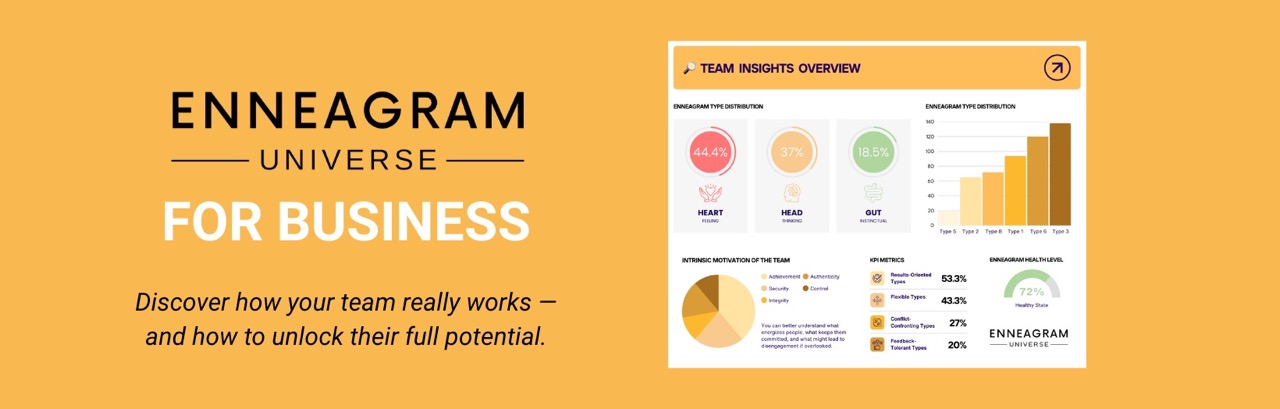
Understanding your team's unique communication styles can also help you frame your pre-meeting materials in a way that resonates. Personality frameworks can be surprisingly useful here. If you're curious, you can learn more about applying these insights at work by checking out the Enneagram test for business .
By crafting a sharp agenda, curating a lean guest list, and sending smart pre-reading, you set the stage for a meeting that actually moves work forward.
Facilitating Meetings That Actually Drive Engagement
You’ve done the hard work of crafting the perfect agenda and inviting only the people who really need to be there. Awesome. But now comes the real magic trick: running a meeting that keeps people leaning in, not secretly checking their email. This is where you transform a simple get-together into a powerhouse session that leaves everyone feeling heard, aligned, and genuinely energized.
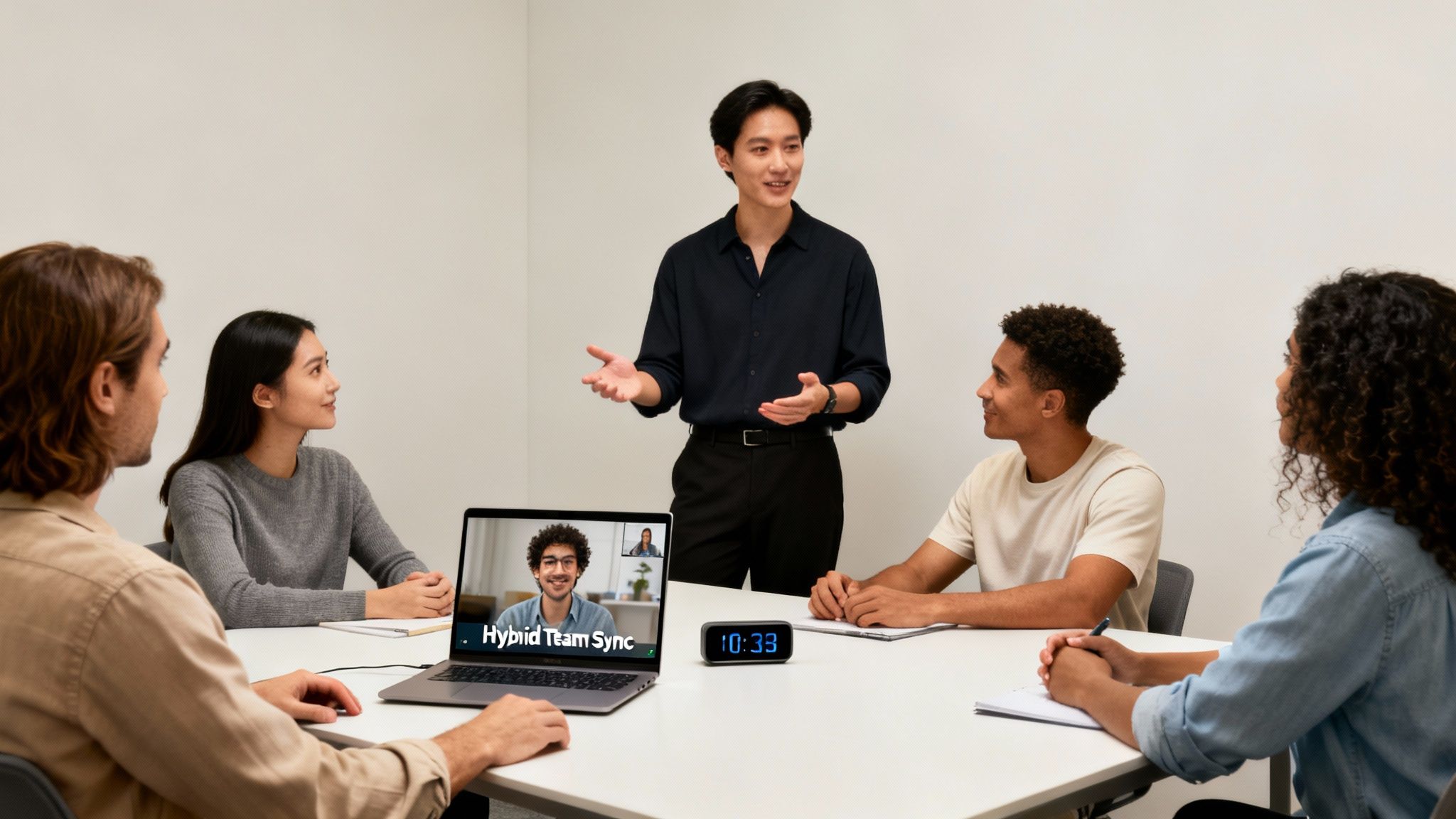
With so many of us in remote or hybrid setups, engagement isn't just a nice bonus—it's everything. It's the single biggest indicator of whether a meeting will succeed or fail. The stats don't lie: while 90% of extroverts think meetings are effective, that number plummets to just 70% for introverts . That gap tells a story, and it's a call to action for facilitators to create an environment that works for everyone.
Your job as a facilitator is to be the active conductor of the room's energy, conversation, and, most importantly, the clock.
Kick Things Off with Intention
How you start a meeting sets the vibe for the entire session. Don't just dive headfirst into the agenda. Spend the first two or three minutes getting everyone grounded and focused on why they're there.
A solid opening looks something like this:
• Welcome and a quick energy check: • A simple, "How's everyone doing today?" can make all the difference. It’s human. For instance, if you're in New York and it's snowing, acknowledging it with "Hope everyone stayed warm on their commute" adds a personal touch.
• State the purpose—again: • Remind everyone of the goal in a single sentence. "Okay, team, our mission today is to finalize the design for the new landing page."
• Quick agenda review: • Walk through the key topics and how much time you've blocked for each.
This little ritual isn't just fluff; it provides a sense of structure and safety, signaling to everyone that you have a plan and you respect their time.
Master the Clock with Timeboxing
Nothing kills momentum faster than a discussion that just… won’t… end. Timeboxing is your secret weapon against meeting sprawl. It’s the dead-simple practice of assigning a strict time limit to each agenda item and actually sticking to it.
Let's say you have a 30-minute problem-solving session:
• Defining the problem ( • 5 minutes • )
• Silent brainstorming for solutions ( • 7 minutes • )
• Discussing the top 3 ideas ( • 10 minutes • )
• Deciding on clear next steps ( • 8 minutes • )
As a timebox is about to expire, give a heads-up. "We've got two minutes left on this topic. Let's push for a decision." This creates a healthy pressure that keeps the conversation sharp and moving.
A facilitator's job isn't just to get the conversation started. It's knowing when—and how—to bring it to a close. Timeboxing gives you the authority to steer the ship without being a tyrant.
Make Sure Every Voice Is Heard
In every group, you've got your talkers and your thinkers. Your mission is to balance those dynamics, so you're tapping into the entire team's brainpower, not just the ideas of the loudest person in the room.
This is even more crucial in a hybrid world. Remote folks can easily feel like they’re watching a movie if the people in the conference room are dominating the conversation.
Here are a couple of my favorite techniques for genuine inclusion:
• The Round-Robin: • Go around the virtual (or physical) table and ask each person to share one idea. For example, "Let's start with Jennifer and go clockwise. What's one risk you see with this plan?" This gives introverts and quieter folks a dedicated space to contribute without having to interrupt anyone.
• Silent Brainstorms: • Fire up a digital whiteboard like • Miro • or • FigJam • . Give everyone five minutes to silently slap their ideas onto digital sticky notes • before • anyone says a word. This levels the playing field completely. The best idea wins, not the fastest talker.
Creating this kind of inclusive space is all about building trust. If you're looking for more ways to strengthen that foundation, check out these practical team trust exercises .
Navigating the Inevitable Meeting Derailers
Let’s be real, even the best-laid plans can go sideways. A good facilitator knows how to spot a derailment and gently get the train back on the tracks.
Here’s how to handle a couple of classic meeting villains:
The Tangent: Someone takes the conversation down a fascinating but completely irrelevant rabbit hole.
• What to say: • "That's a great point, Michael, and I've jotted it down. To make sure we hit our goal for this meeting, let's get back to the main topic. We can park this idea for another time." You validate their input while politely redirecting.
The Rambler: One person has the floor and just won't give it back, often repeating the same points.
• What to say: • "David, thank you for sharing that perspective so thoroughly. To make sure we get a chance to hear from everyone, I'd love to pause you there and invite someone who hasn't spoken yet to jump in." It’s a polite, firm way to pass the talking stick.
Facilitating an engaging meeting is an active job. You’re part-timekeeper, part-conversation guide, and part-guardian of the team’s psychological safety. But by using these simple, powerful techniques, you can turn your meetings from a necessary evil into the most productive part of your team's day.
Unlocking Team Dynamics for Better Outcomes
Alright, so you’ve got a killer agenda, and you’re a timeboxing wizard. Fantastic. But there's a whole other level to running meetings that actually work, and it’s something most guides completely ignore: the people in the room.
Every team is a motley crew of personalities, motivations, and communication quirks. If you don't learn how to read those dynamics, you're not just running a meeting; you're playing checkers when you should be playing chess.
This isn’t about playing armchair psychologist. It's about being observant. You've got your detail-obsessed skeptic, your blue-sky visionary, your "let's just do it" trailblazer, and your "can't we all just get along" connector. A generic, one-size-fits-all meeting will maybe land with one or two of them, leaving everyone else bored, frustrated, or mentally checked out.
Your real job as a facilitator is to build a sandbox where every single one of these styles can contribute their best stuff. That means learning how to ask questions, present ideas, and steer conversations in a way that clicks with different people.
Speaking Everyone's Language
Let’s get practical. Imagine you're trying to get the team to sign off on a new software vendor. A single, generic pitch is basically doomed from the start. To get real buy-in, you have to meet people where they live.
Here’s how you’d tailor your approach:
• For the Security-Focused Member: • This person’s brain is wired for risk assessment. You need to frame the decision in terms of stability and reliability. Instead of just rattling off flashy features, you say, "This vendor has a • 99.9% uptime guarantee • and a proven track record, which means fewer late-night emergencies for us."
• For the Detail-Oriented Member: • They need to see that you've done the legwork. Acknowledge their superpower by saying something like, "Sarah, I know you're incredible at spotting what others miss. I’ve dropped the full technical specs in the agenda notes, and I’d love for you to poke holes in our integration plan."
• For the Visionary Member: • This person needs to see the bigger picture. Connect this single decision to the grand plan. You might frame it as, "This isn't just a software change; it’s the move that finally lets us build that seamless customer experience we've been dreaming about."
When you anticipate these different needs, you can defuse potential arguments before they even start. It flips the script from a contentious debate to a collaborative session where everyone feels like their primary concerns were actually heard and respected.
How Each Enneagram Type Likes to Show Up in a Meeting
| Enneagram Type | Wants From a Meeting | Give Them This |
|---|---|---|
| Type 1 - The Reformer | A clear agenda that's actually followed. | Start and end on time; don't let the agenda drift. |
| Type 2 - The Helper | To feel like their input is welcomed, not just tolerated. | Ask for their opinion directly, not just their agreement. |
| Type 3 - The Achiever | Efficiency and a clear outcome. | Keep it moving; state the decision or next step explicitly. |
| Type 4 - The Individualist | Room to add nuance, not just tick a box. | Don't cut off the "but here's a different angle" comment too fast. |
| Type 5 - The Investigator | Time to think before speaking. | Send the agenda ahead of time; don't put them on the spot cold. |
| Type 6 - The Loyalist | Clarity on what's actually been decided. | Recap decisions explicitly at the end, in writing if possible. |
| Type 7 - The Enthusiast | Energy and forward motion. | Keep pace brisk; avoid long, repetitive status updates. |
| Type 8 - The Challenger | Directness and a real say. | Get to the point fast; don't bury the actual ask. |
| Type 9 - The Peacemaker | To be asked, not just assumed to agree. | Ask them by name for their view — silence isn't the same as agreement. |
Adapting Your Communication on the Fly
Understanding your team isn't just homework you do before the meeting; it's a real-time skill you use during the meeting. It’s what helps you figure out why a conversation has stalled and exactly what it needs to get moving again.
The best facilitators aren’t just managing an agenda—they're managing the energy in the room. They’re constantly asking themselves, "Who haven't we heard from yet, and why?"
This is where having a basic understanding of personality frameworks can be a game-changer. It helps you remember that some people are driven by pure logic, while others are moved by human impact and relationships.
Think about these in-the-moment adjustments:
• With your Action-Oriented folks: • They crave momentum. Be direct. Cut the fluff, focus on outcomes, and end with crystal-clear next steps. For example, end the meeting by saying, "Okay, our actions are clear: Tom, you own X; Lisa, you own Y."
• With your Relationship-Focused folks: • They need to feel connection and harmony. Offer supportive feedback, make space for people to share how they • feel • about a decision, and acknowledge the human side of the changes you're making. For instance, "I know this change affects the design team most. How is everyone feeling about this direction?"
This isn't about slapping labels on people and stuffing them into boxes. It’s about having a bigger communication toolkit so you can connect with more people, more effectively.
If you’re curious to dig deeper into this, learning how to apply the Enneagram at work is a powerful way to build more self-aware and collaborative teams. When you start paying attention to the human dynamics, you unlock a whole new level of collaboration—and your meetings start producing results that everyone actually cares about.
Turning Meeting Conversations into Action
So the meeting's over. Everyone’s logging off, feeling good. But wait. If you end it there, you’ve just hosted a very expensive chat session. The real magic, the part that actually moves the needle, happens after the meeting wraps up.
Without a rock-solid plan for what comes next, all that amazing energy and those brilliant ideas dissolve into thin air. It's the primary reason you end up having the same exact conversation a week later, with that nagging feeling of déjà vu. Turning talk into traction is what separates a world-class meeting from a complete waste of time.
This isn’t about creating more admin work. It's about building a culture of clarity and supportive accountability, where everyone walks away knowing exactly what they own.
Crafting a Follow-Up That Actually Gets Read
Your meeting summary should have one simple goal: make it so clear that someone who missed the meeting could read it and be completely in the loop in under two minutes .
Ditch the long-winded, narrative-style minutes. Nobody reads them. Your recap needs to be scannable, sharp, and focused on what's next.
The best summaries I've seen all boil down to three key parts:
• Key Decisions Made: • A simple bulleted list of what was agreed upon. Be brutally specific. Don't say, "Agreed on marketing." Instead, write, "Decision: The Q4 campaign tagline is officially 'Innovate Your World.'"
• Open Questions: • List any important questions that came up but couldn't be answered. This parks them in plain sight so they don't get forgotten. For example: "Open Question: Do we have the budget for a video ad? Finance to confirm."
• Action Items: • This is the absolute heart of the follow-up. It's where you pin down commitments and get things done.
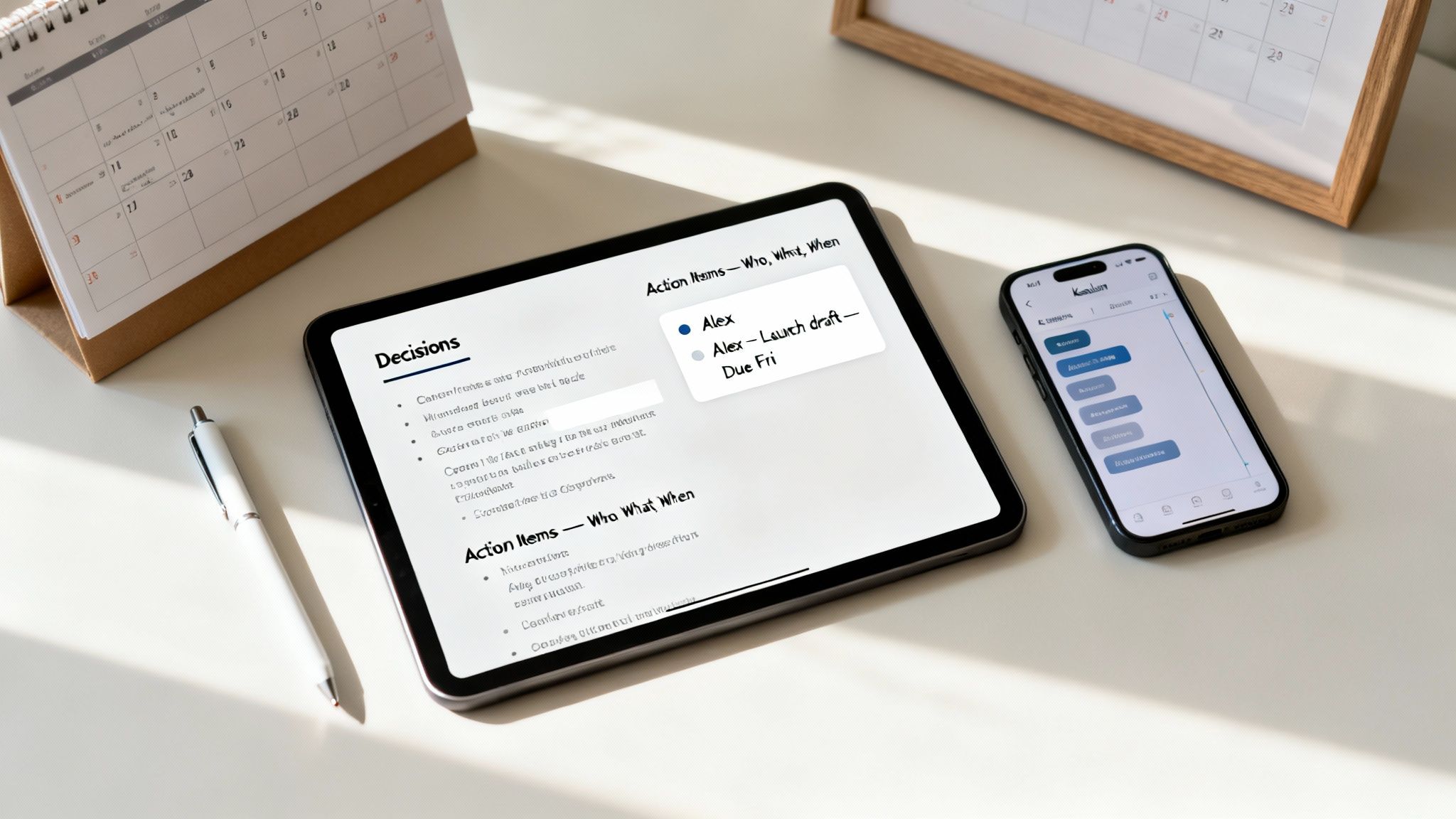
The easiest way to make your action items foolproof is the Who, What, When framework. It’s a beautifully simple tool that removes all ambiguity. Assign a clear owner (Who), define a specific task (What), and set a hard deadline (When).
A task without an owner is just a wish. A task without a deadline is a dream. The 'Who, What, When' format turns vague intentions into concrete commitments.
The Good, The Bad, and The Useless Follow-Up
Let’s get real. Imagine your team just met to plan a new website feature. Here’s how the follow-up can go spectacularly right or horribly wrong.
The Useless Follow-Up Email:
Subject: Meeting recap
Hey team,
Good chat today about the new feature. We discussed the design, backend needs, and marketing. Let's keep the momentum going.
Thanks, Alex
This email is a black hole of productivity. It accomplishes nothing, clarifies nothing, and ensures nothing will happen.
The Great Follow-Up Email:
Subject: Action Items & Decisions | Website Feature Sync
Team,
Great session today. Here’s a quick summary to keep us all aligned and moving forward:
Key Decisions:
• We are officially moving forward with the 'Card' UI layout.
• The target launch date is locked for Friday, October 25th.
Action Items (Who, What, When):
• Sarah (Who): • Finalize the high-fidelity mockups for the card layout • (What) • by • EOD this Friday • • (When) • .
• Ben (Who): • Scope the API integration and provide a time estimate • (What) • by • next Tuesday • • (When) • .
• Maria (Who): • Draft initial copy for the feature announcement page • (What) • by • next Thursday • • (When) • .
All project files can be found in the shared drive . Ping me if you hit any roadblocks!
Alex
Night and day, right? The second email creates a crystal-clear system of accountability that feels helpful, not like micromanagement. Everyone knows exactly what's on their plate.
Creating a Culture of Continuous Improvement
The final piece of this puzzle is getting feedback on the meeting itself. Meetings only get better if you ask people how to make them better. It doesn't need to be a complicated, formal survey.
Just try this at the end of your next call. Ask everyone: "On a scale of 1 to 5, how effective was this meeting for you? And what's one thing that would have made it a '5'?"
This one simple question shows your team you respect their time and are serious about making every minute you spend together count. It builds a powerful feedback loop that makes every single meeting you run a little bit sharper than the last.
How to Handle Common Meeting Problems
Let's be real—even the most meticulously planned meeting can go off the rails. A brilliant agenda can be derailed by a weird team dynamic, a surprisingly heated debate, or just... crickets. That awkward, painful silence. Don't sweat it. This happens to everyone.
The real mark of a great facilitator is knowing how to gracefully steer things back on course without embarrassing anyone. It’s all about having a few tricks up your sleeve. Here are some of the classic meeting curveballs I've seen over the years and how to handle them like a pro.
What Should I Do When One Person Dominates the Conversation?
Ah, the classic meeting monologue. You know the one—a single person who seems to be in a love affair with the sound of their own voice, effectively steamrolling any other perspectives.
Honestly, the best defense here is a good offense. Before it even starts, use a facilitation technique like a round-robin , where you deliberately go person-by-person for input. This structure literally builds in time for everyone to speak.
But what if you're already in the middle of a filibuster? You need to interject, but with finesse. Try something like this:
"Those are fantastic points, Alex. I want to make sure we capture all of that. To ensure we hear from everyone, I'd love to pass the mic over to Sarah for her perspective."
See what that does? It validates their contribution while skillfully redirecting the conversation. If you’re dealing with a chronic dominator, a quiet, one-on-one chat outside the meeting can work wonders.
How Can I Make Recurring Status Meetings More Engaging?
The weekly status meeting: where team morale often goes to die. It so easily becomes a soul-crushing, one-by-one report-out that absolutely could have been an email (or, better yet, a shared doc).
The secret is to flip the script entirely. Stop reporting in the meeting and start problem-solving together .
Have everyone drop their individual updates into a shared Slack channel or a running Google Doc before the meeting. This one simple change frees up your precious face-to-face time for things that actually demand collaboration.
Use your time together to tackle the real stuff:
• Discussing Blockers: • "What's standing in your way, and how can the rest of us help?"
• Asking for Help: • "I'm totally stuck on this API integration. Has anyone here dealt with this before?"
• Celebrating Wins: • Kick things off with a "win of the week" from each person. It’s a small thing that injects a huge dose of positive energy.
Bonus tip: rotate the facilitator role each week. It gives everyone a sense of ownership and keeps the dynamic from getting stale.
My Team Seems Quiet and Disengaged During Virtual Meetings
Silence on a video call is deafening, isn't it? If your team is quiet, it's a massive red flag. It usually points to one of two things: crippling meeting fatigue or a lack of psychological safety. People don’t speak up when they're either bored out of their minds or terrified of saying the wrong thing.
First, check your camera policy. Forcing "cameras on" can actually increase social anxiety for many people. Instead of mandating face time, focus on creating multiple, lower-stakes ways for people to participate.
This is where interactive tools are your best friend. Lean on them heavily:
• Polls: • Perfect for quick, low-pressure feedback. For example, a simple "Agree/Disagree" poll on a proposed idea can get instant results.
• Virtual Whiteboards: • Great for silent brainstorming where the best ideas can rise to the top, regardless of who they came from.
• The Chat Function: • Actively encourage people to drop questions and comments in the chat. Make a point to read them out loud so they feel heard.
And don't be afraid to call on people directly—just do it supportively. Instead of putting them on the spot, tee them up for success. Try asking an open-ended question like, "Maria, given your work with the design team, what are your initial thoughts on this?"
Sometimes, simple disagreements can snowball into genuinely tense debates. When you're in the thick of it, you might find some great strategies in a step-by-step guide to conflict resolution in the workplace . It offers some practical ways to turn friction into a more constructive conversation.
At Enneagram Universe , we believe that understanding your team's core motivations is the key to unlocking better collaboration. Our scientifically validated assessment can help your team improve communication, navigate dynamics, and build a more connected culture. Discover your Enneagram Type for free .