How to Increase Employee Satisfaction: Practical Strategies That Work

Forget the ping-pong tables and free snacks for a moment. If you really want to boost employee satisfaction, you have to dig deeper. What truly keeps people happy and engaged isn't the flashy perks; it's about fulfilling fundamental human needs like doing meaningful work, having a supportive boss, and being part of a great culture.
These are the things that stick, the intrinsic motivators that consistently pack a bigger punch than a bigger paycheck when it comes to genuine job contentment.
What Actually Drives Workplace Happiness
Let's be real. When people start to check out, it’s rarely because the office coffee isn't artisanal enough. It's usually because they feel their work doesn't matter, their manager is a roadblock, or the company culture is just plain toxic. For example, a marketing coordinator in Chicago might leave a high-paying job because her manager constantly takes credit for her ideas, leaving her feeling invisible and unvalued.
These are the deep-seated issues that no amount of trendy office furniture or "fun" gimmicks can ever truly fix. True satisfaction comes from feeling valued, respected, and connected to something bigger than a to-do list.

The Real Pillars of Employee Satisfaction
So, where should you really be putting your energy? It's time to move beyond the superficial and focus on what genuinely creates a foundation of trust, motivation, and loyalty.
The table below breaks down the core elements that truly move the needle on satisfaction.
| Satisfaction Pillar | Why It Matters | A Quick Win Example |
|---|---|---|
| Meaningful Work | People need to see how their daily grind connects to the company's bigger mission. It's about purpose, not just tasks. | In your next all-hands meeting, have a team share a customer success story that was a direct result of their work. For instance, show a video testimonial from a client in Dallas whose business was saved by your software. |
| Supportive Leadership | A great manager who coaches, trusts, and advocates for their team is a game-changer for morale and retention. | Train managers to dedicate the first 10 minutes of every one-on-one to non-work-related chat. It builds genuine connection. A manager might ask about an employee's weekend trip to see a concert in Nashville. |
| Positive Culture | When people feel psychologically safe and like they truly belong, they bring their best, most innovative selves to work. | Start every major project kickoff with a team agreement on how you'll communicate, disagree, and support each other. For example, agree that "We will challenge ideas, not people." |
Focusing on these pillars is what separates companies with revolving doors from those where top talent wants to stay and build a career.
A positive workplace isn't just a "nice-to-have"; it's a strategic advantage. It's the difference between a team that merely shows up and a team that innovates, collaborates, and truly cares about the outcome.
Shifting Focus to What Matters
Think about it from your team's perspective. Picture a software developer working at a small tech firm in Austin. Sure, the salary is competitive. But what really keeps her there is a manager who fiercely protects her from pointless meetings, gives her autonomy to own her code, and publicly celebrates her clever solutions in the company-wide Slack channel.
That's the kind of deep satisfaction that money just can't buy. Creating this kind of environment is the very heart of building a better workplace, which we explore in detail in our guide on how to improve workplace culture.
Ultimately, a high-satisfaction company is one where people feel seen, heard, and empowered to do their best work. For a closer look at more practical strategies, check out these proven tips to improve employee satisfaction .
This guide will show you how to build a company where happiness isn't an accident—it's engineered by design.
Building a Culture of Meaningful Recognition
It’s time to move past that dusty 'Employee of the Month' plaque that everyone ignores. Let's be honest, genuine recognition is one of the most potent—and most poorly handled—tools in our arsenal for boosting employee satisfaction.
When people feel truly seen and appreciated for what they actually do, their motivation goes through the roof. It’s not about grand, expensive gestures. It’s about creating consistent, authentic moments of gratitude that reinforce the very behaviors you want to see more of.
This is the difference between a throwaway "good job" and a specific "thank you" that makes someone sit up a little straighter, feeling truly valued.

Make Recognition Timely and Specific
Praise has a short shelf life. The most effective recognition lands as close to the actual event as possible—a delayed compliment just doesn't have the same punch. Instead of hoarding all your positive feedback for a stuffy annual review, start making it a real-time habit.
I once worked with a tech startup in Austin that nailed this with a simple Slack channel called #wins . Anyone on the team could give a peer-to-peer shoutout at any time. For instance, a designer might post, "Big thanks to Jessica for catching that bug in the user flow before it went live!" But here was the magic: the team lead would read the best ones aloud during the weekly all-hands meeting.
That simple act cost them nothing, yet it amplified positive behavior and wove appreciation into the very fabric of their culture.
Here’s how you can do the same thing, starting today:
• Be Immediate: • The moment you see a colleague handle a tough client call with grace, pop them a direct message. Don't wait. For example: "Wow, that call with the client from Denver was tense. The way you stayed calm and found a solution was amazing to watch."
• Be Explicit: • Ditch the generic "Thanks for your help." Instead, try, "Thank you for creating that detailed spreadsheet on such short notice. It saved our team hours of work."
• Link to Impact: • Connect their specific action to a real business outcome. For example, "Your extra effort to debug that feature directly led to a positive review from our biggest client."
This level of detail proves you're paying attention and, more importantly, it shows your team member exactly what success looks like in their role.
Meaningful recognition is a magnet for retention. Research shows employees who feel recognized are 12 times more likely to find their work meaningful and far more likely to see a long-term future with their company.
Personalize Praise with Personality Insights
A one-size-fits-all approach to recognition is a recipe for awkwardness. People are motivated by vastly different things, and understanding their unique personality can make your praise exponentially more effective. This is where a tool like the Enneagram becomes a manager's secret weapon.
Think about it. A manager who knows the Enneagram can tailor their approach on the fly:
• For a Type 5 (The Investigator) • : • This person's pride is in their expertise and intellectual contributions. A big public shoutout might make them cringe. Instead, pull them aside or send a private message: "Your deep analysis on the market data for our new product launch in Seattle was brilliant. You uncovered an angle we had completely missed."
• For a Type 2 (The Helper): • This individual is deeply motivated by feeling needed and appreciated for supporting others. For them, a public acknowledgment of their teamwork is gold. "I want to recognize Sarah. She stayed late to help three different people hit their deadlines. We couldn't have done it without her."
This personalized approach demonstrates a deeper level of understanding, which is fundamental to building trust in a team . When you speak their motivational language, your appreciation lands with far greater impact.
Conversation Starters for Better Recognition
Sometimes, knowing what to say is half the battle. We all want to give great feedback, but we get stuck trying to find the right words.
Here are a few simple, actionable conversation starters you can steal for your next one-on-one or team huddle:
• "I was really impressed by the way you handled the last-minute changes to the client proposal for the Boston project."
• "Can we talk about the [project name]? The way you [specific action] was a game-changer because..."
• "I want to publicly acknowledge [name] for their incredible work on the Q3 financial report."
Fostering a culture of recognition isn't a project with a deadline; it's an ongoing practice. By making your praise timely, specific, and personal, you create an environment where every single person feels seen, valued, and genuinely motivated to bring their A-game. Every single day.
Mastering Fair Pay and True Flexibility
Let's be honest. While a "thank you" goes a long way and meaningful projects are great, you can't ignore the two biggest elephants in the room: fair pay and real flexibility.
Money isn't everything, but feeling underpaid is a guaranteed way to kill morale. It feels disrespectful, and it can turn a dream job into a daily grind. Nailing your compensation strategy is the foundation—it's the baseline that makes all your other efforts feel genuine.

This picture says it all. The goal is to give people the freedom to be present for their families while still knocking it out of the park at work. That kind of autonomy is what builds real loyalty and shows you trust your team to manage their lives and their responsibilities.
Demystifying Fair Compensation
Figuring out if your pay is competitive isn't some dark art reserved for corporate HR teams. A little bit of homework can give you the confidence that you're paying people what they’re worth, which is a massive trust-builder.
Here's how to get started without overcomplicating it:
• Benchmark Your Roles: • Jump onto free sites like Glassdoor, LinkedIn Salary, or Payscale. Look up the average salary for a "Senior Graphic Designer" in Portland, Oregon, with 5-7 years of experience. It’s a quick reality check.
• Define Your Pay Philosophy: • Where do you want to be? Paying at the • 50th percentile • (the market average) is fine. But if you want to snag the best talent, maybe you aim for the • 75th percentile • . Decide on your strategy.
• Look in the Mirror: • Check your own payroll. Are there weird pay gaps between people doing similar work with similar experience? For example, is a male project manager in Miami making 15% more than a female project manager with the same qualifications? Fixing those internal inequities is absolutely critical for team morale.
And remember, salary is just one piece of the puzzle. Your benefits package tells a huge story. For instance, making sure your retirement programs are solid and error-free is non-negotiable. Learning about and avoiding common retirement plan mistakes is a surprisingly powerful way to boost your team’s sense of financial security and overall satisfaction.
The Real Game-Changer Is Flexibility
Once you've got the money part sorted, flexibility is where the magic really happens. This isn't about letting someone work from home on a Friday. It's about giving your team genuine control over their work life, and for many people today, it’s a total dealbreaker.
It all comes down to trust. It's about trusting them to get the job done without you chaining them to a desk from 9-to-5.
This isn't just a hunch. Gensler's latest workplace research found that employees with a high degree of choice are 2.5 times more likely to feel their workplace supports their productivity. This isn't just a perk; it’s a strategic advantage that drives incredible engagement.
Flexibility is the ultimate expression of trust. It tells your team, "I trust you to manage your time and deliver great work, regardless of where or when you do it."
Think about it. What if you could empower a parent on your team to adjust their hours so they never miss a school pickup? Or let a night owl in California start their day at 11 AM EST to work when their brain is firing on all cylinders? These aren't just policies; they're life-changing accommodations that earn you fierce loyalty.
I know a software company in Raleigh that went "async-first." They slashed mandatory meetings, focused on stellar documentation, and only required a four-hour window for collaboration. The result? Productivity held strong, but their team reported a massive jump in work-life balance and job satisfaction. They felt like adults, and their commitment to the company went through the roof. Now that's how you make a real difference.
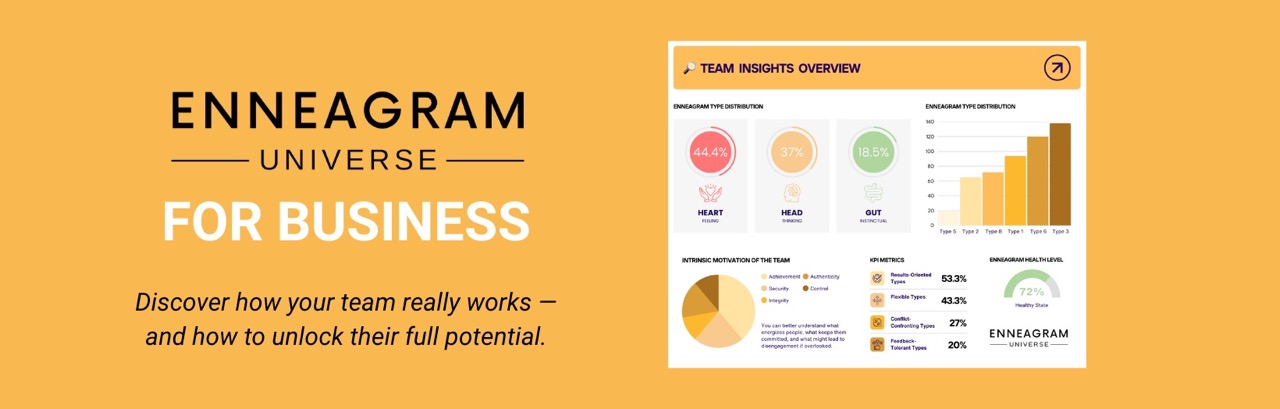
Unlock Your Team’s True Potential with the Enneagram
Alright, you’ve got the basics down. People are paid fairly, and you’re offering the flexibility everyone craves. But you’re still not seeing that spark. What’s next? It's time to go deeper than what people do and start understanding why they do it. This is where a tool like the Enneagram can completely change the game for you and your team.
Forget those one-dimensional personality quizzes that slap a label on someone and call it a day. The Enneagram is a dynamic map to the core motivations that drive your people. Think of it as learning the unique operating system for each person on your team, allowing you to fine-tune your feedback, navigate friction, and build real psychological safety.
When you get what truly makes someone tick, you stop managing a to-do list and start leading a human being. That shift is what separates the good managers from the unforgettable ones.
Speaking Your Team’s Hidden Language
Let's make this real. Imagine you're a manager, a Type 1 "Reformer" who is wired to seek out perfection and do things the "right" way. You value process and high standards above all else. Now, imagine one of your top performers is a Type 7 "Enthusiast," who is motivated by excitement, new ideas, and avoiding boredom. He’s brilliant, but his work style feels chaotic to you.
Without a shared language, this is a recipe for disaster. You see his brainstorming as a lack of focus; he sees your process as a creativity-killing cage.
But with the Enneagram, you suddenly see his behavior in a new light. He isn't being scattered; he's being innovative. You can learn to point his incredible energy toward exciting new problems. And he can start to appreciate that your obsession with process isn’t about micromanaging him—it's about building a stable launchpad for everyone's success.
This isn't about letting people off the hook. It's about building a bridge of empathy that makes everything work better. For a much deeper dive into these dynamics, check out our guide on using the Enneagram at work .
Tailoring Your Approach for Maximum Impact
Once you understand these deep-seated motivations, you can tailor everything—from how you give praise to how you assign projects—in a way that genuinely lands. No more guessing games. You can give people what they actually need to thrive.
A framework like the Enneagram gives your team a neutral, common language to talk about differences. It moves the conversation from "You're wrong" to "Oh, I see you're coming at this from a different angle. How can we make both of our approaches work?"
This is how you address satisfaction at its very root. A leader who can do this isn't just a boss; they're the kind of mentor people remember for their entire careers.
Tailoring Motivation by Enneagram Type
To get you started, the table below is a quick-and-dirty guide to what makes each of the nine enneagram types tick. It breaks down their core drivers, what stresses them out, and what you can do to create an environment where they feel seen, valued, and ready to do their best work.
| Enneagram Type | Key Motivator | Common Stressor | Satisfaction Strategy |
|---|---|---|---|
| Type 1 - The Reformer | To be good, right, and have integrity. They thrive on quality and improvement. | Unstructured environments, sloppy work, and feeling their high standards are compromised. | Give them ownership of processes they can perfect. For example, let them lead the quarterly review of the team's QA checklist. Recognize their dedication to quality and detail. |
| Type 2 - The Helper | To be loved and needed. They are motivated by helping others and feeling appreciated. | Feeling unappreciated or taken for granted. Interpersonal conflict is draining for them. | Publicly acknowledge their supportive contributions to the team. Create opportunities for mentorship, like pairing them with a new hire from the Atlanta office. |
| Type 3 - The Achiever | To be valuable and worthwhile. They are driven by success, efficiency, and admiration. | Fear of failure, public mistakes, or being seen as incompetent. Inefficiency frustrates them. | Provide clear goals and celebrate their wins publicly. Offer visible growth opportunities, like the chance to present a successful project to senior leadership. |
| Type 4 - The Individualist | To be unique and authentic. They are motivated by self-expression and finding meaning. | Mundane, repetitive tasks and feeling misunderstood or insignificant. | Allow them creative autonomy on projects. For example, ask them to design the new branding concept from scratch. Value their unique perspective and emotional honesty. |
| Type 5 - The Investigator | To be competent and capable. They thrive on knowledge, expertise, and privacy. | Unexpected social demands, emotional conversations, and having their time wasted. | Respect their need for focused, uninterrupted work time. Acknowledge their expertise, perhaps by asking them to write the definitive guide on a complex technical topic. |
| Type 6 - The Loyalist | To have security and support. They are motivated by preparation and loyalty. | Uncertainty, sudden changes, and lack of clear direction from leadership. | Be transparent and consistent in your communication. Before a big company change, give them a private heads-up and involve them in planning for contingencies. |
| Type 7 - The Enthusiast | To be happy and fulfilled. They are driven by new experiences, ideas, and possibilities. | Feeling limited or trapped by routine, negativity, or boring tasks. | Keep their work varied and exciting. Put them in charge of brainstorming sessions for new product features and let them explore blue-sky ideas. |
| Type 8 - The Challenger | To protect themselves and be in control. They are motivated by justice and directness. | Feeling controlled or manipulated. Injustice and seeing others being taken advantage of. | Give them direct responsibility and autonomy, like making them the lead negotiator on a key vendor contract. Be straight with them and respect their strength. |
| Type 9 - The Peacemaker | To have inner peace and harmony. They are motivated by consensus and stability. | Conflict, high-pressure demands, and feeling their opinion doesn't matter. | Create a calm, inclusive environment. Actively solicit their input in meetings by saying, "John, we haven't heard from you yet, what are your thoughts?" |
Using this as a guide means you're no longer just throwing random perks at your team and hoping something sticks. You’re being strategic. You're creating an environment where each person's deepest psychological needs are met, leading to a kind of job satisfaction that is both genuine and built to last.
The Early Warning Signs of Dissatisfaction, By Type
Surveys catch dissatisfaction after it's already settled in. The behavioral signs usually show up first — if you know what to look for by type:
• Type 1: • stops flagging things that aren't up to standard — silence where there used to be constructive criticism.
• Type 2: • stops offering to help beyond their role, or starts sounding resentful about tasks they used to volunteer for.
• Type 3: • effort shifts visibly toward polish and visibility over substance.
• Type 5: • goes quieter in meetings, starts protecting their time more sharply than usual.
• Type 6: • asks more "what if" questions than usual, seeking more reassurance about direction.
• Type 8: • pushes back more openly, or starts routing around decisions instead of raising concerns directly.
• Type 9: • agrees with everything on the surface while quality or pace quietly drops.
None of these on their own is proof of a problem — but a manager who knows a person's baseline can catch the shift a lot earlier than an annual survey ever will.
How to Measure What Actually Matters
Alright, let's talk about results. You've poured energy into recognition, tinkered with flexible work, and started tailoring your management style. But how do you know it's working? This is where we move from good intentions to cold, hard data—and connect your people-first efforts directly to the bottom line.
Measuring employee satisfaction isn't about chasing a perfect score on some dreaded annual survey. It's about creating a living, breathing feedback loop that shows you what’s landing well and where your game plan needs a tune-up.
From Vague Feelings to Hard Data
The mission is simple: get beyond the "I think things are better" anecdotes and start gathering real metrics. And no, you don't need a massive budget or a team of data scientists to do it. With a few smart tools, you can build a dashboard that gives you the true pulse of your organization.
This really boils down to a three-part rhythm: first understand your people, then tailor your approach, and finally, unlock their potential. It's a cycle, not a one-and-done project.
The stakes here are way higher than you might think. We're not just talking about warm fuzzies; we're talking about serious money. Globally, low job satisfaction costs the economy an estimated $450 billion every year. On the flip side, companies that nail this see 30 percent higher annual stock price growth than their competitors. You can find more on the economic impact of job satisfaction here .
Your Essential Satisfaction Metrics
To get a clear, actionable picture, you don't need to track a hundred different things. Start with these three core metrics. They give you a balanced view of how people feel, how loyal they are, and what they're actually doing.
• Pulse Surveys: • Think of these as quick, frequent check-ins—just • 3-5 questions • sent out via Slack or email. For example, a tech company in San Francisco could send a survey after a major product launch asking, "On a scale of 1-5, how manageable was your workload during the final sprint?"
• Employee Net Promoter Score (eNPS): • This one is all about loyalty. It all comes down to a single question: "On a scale of 0-10, how likely are you to recommend our company as a great place to work?" It’s a powerful, brutally honest snapshot of overall sentiment.
• Retention and Turnover Rates: • These are the ultimate reality checks. Are people voting with their feet? Dig into the numbers, and pay extra-close attention to • voluntary turnover • , especially among your top performers. That’s your canary in the coal mine. If three of your best salespeople in New York have quit in the last six months, you have a problem.
The data always tells a story. If your eNPS score suddenly nose-dives right after a major product launch, that’s not just a number. It's a signal to investigate burnout, double-check your recognition efforts, and ask your team what support they needed but never got.
Calculating Your Employee Net Promoter Score (eNPS)
Getting your eNPS is surprisingly simple, and it gives you a single, powerful number to track over time. Here’s the breakdown:
First, you survey your team with the magic question: "On a scale of 0-10, how likely are you to recommend our company as a great place to work?"
Next, you group the answers:
• Promoters: • These are your biggest fans, the ones who answer with a • 9 or 10 • .
• Passives: • They're content but not thrilled, answering with a • 7 or 8 • .
• Detractors: • These are the unhappy campers who score you from • 0 to 6 • .
Finally, you do the math. Just subtract the percentage of Detractors from the percentage of Promoters.
( % Promoters ) - ( % Detractors ) = Your eNPS Score
So, if 50% of your team are Promoters and 10% are Detractors, your eNPS is a solid +40 . Tracking this every quarter will give you a fantastic barometer of how your initiatives are truly affecting employee loyalty.
Your Burning Questions on Employee Satisfaction, Answered
Alright, you've stuck with me this far, which tells me you're serious about cracking the code on employee satisfaction. But I know how it goes—the big-picture strategy is one thing, but the messy, real-world questions always pop up when the rubber meets the road.
Let's dive into the common head-scratchers I hear from leaders all the time.
“I Have No Budget. Where Do I Even Start?”
This is, hands down, the most common roadblock. And the answer is refreshingly simple: go for the low-cost, high-impact stuff first. The two most powerful levers you can pull that cost next to nothing are recognition and the quality of your leadership .
Seriously, start by training your managers on how to give praise that actually lands. It's an art. Teach them to be specific, timely, and genuine. A heartfelt "thank you" that clearly connects someone's effort to a great outcome is worth more than a dozen gift cards.
Another game-changer that's completely free? Fostering psychological safety. All this means is creating an environment where people feel safe to speak up, pitch a wild idea, or admit they messed up without getting their head bitten off. This isn't about budget; it's about how leaders show up every single day.
A few zero-cost ideas you can steal today:
• Peer-to-Peer Shoutouts: • Fire up a dedicated Slack or Teams channel where anyone can publicly thank a colleague. For instance, "Kudos to Michael for staying late to help me with the server issue before the big demo in Chicago!" It makes appreciation a daily habit, not a quarterly event.
• "Failure Fridays": • Sounds scary, but it's brilliant. Take five minutes in a team meeting for people to share something that • didn't • work and what they learned. It kills the fear of mistakes and builds trust like nothing else.
“How Often Should We Actually Measure Satisfaction?”
Please, for the love of all that is good, ditch the massive, once-a-year survey as your only tool. By the time you wade through all that data, the feedback is six months old, and your team has given up on ever seeing change.
The smarter approach is a hybrid model.
This combo gives you the best of both worlds: immediate, actionable insights to fix small problems before they blow up, plus a strategic long-term view.
Think of it like this: your annual survey is the yearly physical exam. The pulse surveys? They're like taking your temperature. You need both to get a complete picture of your organization's health.
“We’ve Made Changes, But a Key Employee is Still Unhappy. Now What?”
Ugh, this one is tough. You've rolled out new programs, you're communicating better, maybe you even tweaked salaries... and your star player still seems checked out. When your best efforts aren't landing with a key person, it’s a signal to get personal.
The next move is a direct, honest, and empathetic one-on-one conversation. Your goal isn't to convince them to be happy; it's to truly understand why they're not.
You have to ask better questions—open-ended ones that invite a real story, not a simple "yes" or "no." Try one of these:
• "What part of your job really energizes you right now? And what part just feels like a total drain?"
• "If you had a magic wand and could change one thing about your role to make it more fulfilling, what would you do?"
Nine times out of ten, the issue is a deeper misalignment you just can't see from the outside. They might be dying for a new challenge, feel completely stuck in their career path, or be burning out on a specific type of work. Your job is just to listen and show you're invested in finding a real solution—even if that solution means helping them find a better-fitting role somewhere else in the company.
“Is the Enneagram
Really
Effective for a Diverse Team?”
Absolutely. In fact, it's one of the best tools I've seen for building bridges on a team with diverse backgrounds and perspectives. Why? Because the Enneagram sidesteps surface-level stuff like cultural norms or job titles and gets right to the core of our shared humanity: our motivations. It’s all about the "why" behind what we do.
On a diverse team, the Enneagram becomes a powerful, neutral language for empathy. It helps a team of, say, American engineers understand why a colleague from another culture needs quiet time to solve a problem (a classic Type 5 trait), while another teammate thrives on loud, collaborative brainstorming (hello, Type 7).
It shifts the conversation from judgment ("Why are they so quiet?") to genuine understanding ("Oh, they need that space to do their best thinking."). This isn't about boxing people in. It’s about handing everyone a key to unlock better communication and truly appreciate the unique genius each person brings to the table.
At Enneagram Universe , we believe self-awareness is the foundation of a happier, more engaged life—both inside and outside the office. Our free, in-depth Enneagram assessment can help you and your team discover the core motivations that drive you. Start your journey toward deeper understanding today at Enneagram Universe .