10 Good Careers for INTJ Personalities (2026 Guide)

Welcome to the ultimate career guide for the strategic masterminds of the personality world: the INTJ. If you’ve ever felt like your brain is a finely tuned supercomputer, constantly running complex simulations and spotting patterns others miss, you’re in the right place. Finding a job that doesn’t just pay the bills but actively engages your relentless drive for logic, efficiency, and long-range planning can feel like searching for a logical argument in a reality TV show. It’s tough, but not impossible.
This isn’t just another generic list of jobs. We’re diving deep into ten specific roles that are exceptionally good careers for INTJ personalities. Forget vague suggestions; we’re giving you the full blueprint. For each career, you'll discover:
• A no-nonsense job description.
• Exactly why it plays to your strengths like Introverted Intuition (Ni) and Extraverted Thinking (Te).
• The key skills and qualifications you’ll need to get your foot in the door.
• Typical career paths and, yes, the salary potential.
• Resume and job search tips specifically for showcasing your INTJ genius.
We'll even explore how combining your Myers-Briggs results with your Enneagram type can give you a clearer picture of your professional motivations. Think of this guide as a strategic manual designed to help you bypass the trial-and-error phase of your career journey. You analyze systems for a living; it’s time to apply that same analytical power to your own professional life and find a role where your unique talents aren't just appreciated, they’re essential. Let’s get started.
1. Strategic Business Consultant
Imagine being paid to walk into a company, identify its deepest flaws, and then create a master plan to fix everything. That’s the life of a Strategic Business Consultant, and it’s one of the best careers for an INTJ because it’s a professional playground for your natural talents. You’re not just shuffling papers; you're redesigning entire systems for maximum efficiency.
This role requires you to parachute into an organization, quickly grasp complex operational webs, and diagnose the root cause of problems. Your Introverted Intuition (Ni) is perfect for spotting patterns and future trends, while your Extraverted Thinking (Te) drives you to build and execute a logical, step-by-step plan for improvement.
Why It's a Top-Tier INTJ Career
Consulting is essentially a real-world strategy game. You’ll be tasked with everything from helping a retail chain optimize its supply chain to guiding a tech firm through a digital overhaul. For example, a consultant at a firm like McKinsey or Bain & Company might spend months analyzing a company’s market position, competitive threats, and internal inefficiencies before presenting a bold new strategic direction to the CEO. A practical example would be a consultant from Chicago advising a midwestern manufacturing client on how to implement robotic automation to increase output by 30% while reducing long-term labor costs.
This career directly rewards your core strengths: objective analysis, long-range planning, and an insatiable desire to improve systems. The constant variety of projects keeps your mind engaged, preventing the boredom that can plague INTJs in more repetitive roles.
Nailing the Role: Actionable Advice
To succeed and find fulfillment in this demanding field, focus on these key areas:
• Become a Storyteller: • Your brilliant strategy is useless if the C-suite doesn't understand it. Practice translating complex data into a simple, compelling narrative. Use visuals and clear language to show executives the “before” and “after” of your plan.
• Build Your "Win" Portfolio: • Track the measurable results of your projects. Did you increase revenue by 15%? Cut operational costs by 20%? These concrete achievements are your golden ticket to better projects and faster promotions.
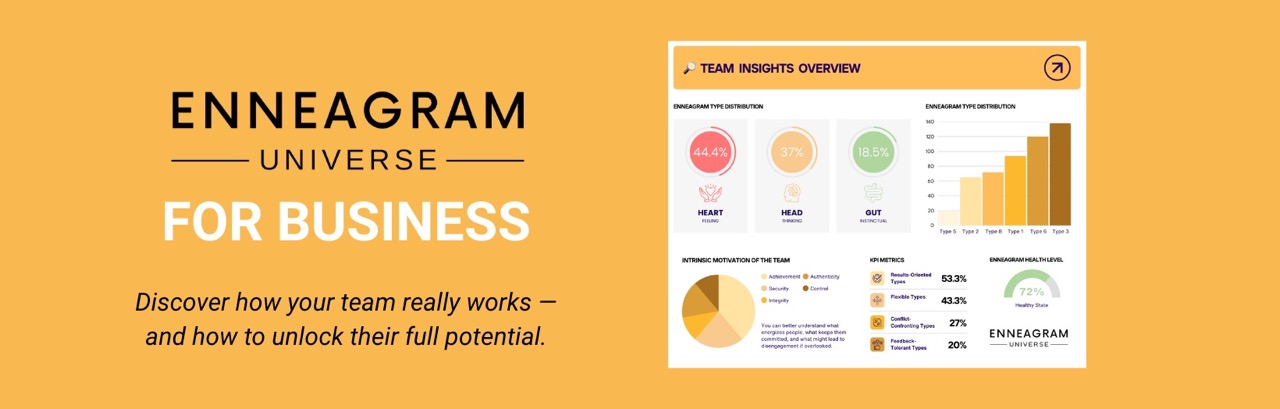
• Balance Logic with Empathy: • You’ll need buy-in from people at all levels. Work on your active listening and emotional intelligence to understand their concerns. Building rapport makes implementing your brilliant (and sometimes disruptive) ideas much smoother. For a deeper look at how personality influences business dynamics, you might find valuable insights in how the • Enneagram can be applied to business • .
2. Software Architect/Systems Designer
Imagine creating the digital blueprint for a massive software system, designing its entire structure from the ground up to be elegant, powerful, and scalable for years to come. This is the domain of a Software Architect, and it stands out as one of the best careers for an INTJ because it lets you build the very systems that shape our world. You aren't just writing code; you are the master planner of a complex digital ecosystem.
This role requires you to see the big picture of a software project, making high-level decisions about everything from the technology stack to how different components interact. Your Introverted Intuition (Ni) is perfect for envisioning the long-term impact of these choices, while your Extraverted Thinking (Te) helps you design a logical, efficient, and resilient architecture that solves real-world problems.

Why It's a Top-Tier INTJ Career
Software architecture is the ultimate test of strategic technical thinking. You’ll be responsible for massive projects, such as designing the microservices architecture that powers Netflix or planning the enterprise cloud infrastructure for a Fortune 500 company on AWS. For example, a software architect in Austin, Texas, might design the entire backend system for a new fintech app, deciding how user data is stored, how transactions are securely processed, and how the system can scale from 1,000 to 1 million users without a complete rebuild. You're the one who decides how the pieces fit together, ensuring the final product is not just functional but future-proof.
This career directly plays to your greatest strengths: deep systems thinking, a love for complex problem-solving, and a desire for control over the technical direction. You get to build something lasting from a high-level strategic viewpoint, satisfying your need to create order out of chaos and build systems that work beautifully.
Nailing the Role: Actionable Advice
To excel and find deep satisfaction in this technical field, concentrate on these areas:
• Document Everything Meticulously: • Your architectural decisions are the law of the land for engineering teams. Create clear, thorough documentation with diagrams and justifications for your choices. This prevents ambiguity and ensures everyone is building toward your unified vision.
• Balance Innovation with Practicality: • It’s tempting to use the newest, shiniest technology, but the best architecture is one that solves the business problem reliably. Evaluate new tools with a critical eye, adopting them only when they offer a clear, pragmatic advantage.
• Develop Your Technical Storytelling: • You must be able to explain your complex technical designs to non-technical stakeholders like product managers and executives. Practice using analogies and simple terms to articulate • why • your design is the right one for the business.
• Become a T-Shaped Expert: • Build deep expertise in one or two key domains (like cloud computing or database design) while maintaining broad, high-level knowledge across the entire software development landscape. This combination of depth and breadth is what makes an architect truly effective.
3. Research Scientist/Academic Researcher
Picture spending your days pursuing profound intellectual challenges, forming independent hypotheses, and working to solve some of humanity's biggest puzzles. This is the world of a Research Scientist, a career that taps directly into an INTJ's desire to understand how things work on a fundamental level. You aren't just following protocols; you are creating knowledge from scratch.

This role allows you to dive deep into a subject, whether it's neuroscience at MIT or machine learning at the Stanford AI Lab. For instance, a biochemist at a research university in North Carolina might spend years investigating a specific protein pathway linked to Alzheimer's, designing experiments to test a new theory on how the disease progresses. Your Introverted Intuition (Ni) helps you connect disparate pieces of information to form groundbreaking theories, while your Extraverted Thinking (Te) gives you the systematic approach needed to design experiments and analyze the results.
Why It's a Top-Tier INTJ Career
Research is one of the most intellectually satisfying, and therefore one of the best careers for an INTJ. You are given the autonomy to pursue questions that genuinely fascinate you, moving from one complex problem to the next. The entire job is about identifying patterns, creating models, and testing them against reality, which is the INTJ’s natural mode of operation.
Whether in academia or a corporate R&D lab like Google Brain, your work has the potential for immense impact. This career directly rewards deep expertise, logical rigor, and a forward-thinking vision. It satisfies your need for competence and your drive to make a meaningful contribution to the world.
Nailing the Role: Actionable Advice
To excel and find fulfillment in the competitive world of research, concentrate on these areas:
• Master the Art of Grant Writing: • Your brilliant ideas need funding. Learn to write clear, persuasive grant proposals that articulate the importance of your work and present a logical plan for execution. This skill is non-negotiable for a long-term career.
• Publish and Present with Clarity: • Your discoveries are only useful if others can understand them. Practice communicating your complex findings to both specialist and non-specialist audiences. Strong presentation skills will help you build your reputation.
• Build Your Collaborative Network: • Science is a team sport. Connect with other researchers in your field for mentorship and collaboration. Attending conferences and participating in online forums can open doors to exciting new projects and perspectives. To better understand your own drivers and those of potential collaborators, exploring the • Enneagram's core motivations • • can offer valuable psychological insights.
4. Financial Analyst/Investment Professional
For an INTJ, the world of finance isn’t about chasing fast money; it’s about decoding a massive, complex system. As a Financial Analyst or Investment Professional, you get paid to predict the future by analyzing the present, making it one of the most intellectually stimulating and good careers for an INTJ. You're a financial detective, piecing together clues from market data, economic reports, and company balance sheets to build a winning strategy.
This career is a perfect fit for the INTJ mind. Your Introverted Intuition (Ni) excels at spotting underlying trends and long-term patterns that others miss, while your Extraverted Thinking (Te) gives you the structure to build sophisticated financial models and make objective, data-driven decisions. You’re not just picking stocks; you’re building a logical framework for wealth creation.

Why It's a Top-Tier INTJ Career
Finance is the ultimate game of strategic foresight. Whether you're an equity research analyst at Goldman Sachs in New York determining a stock's true value or a portfolio manager at Vanguard in Pennsylvania building a resilient fund, your job is to out-think the market. For instance, a hedge fund strategist might identify a subtle market inefficiency caused by new regulations and build an entire investment thesis around it, a challenge perfectly suited to your desire for complex problem-solving. A practical case would be an analyst in Boston correctly predicting that a shift in consumer privacy laws will negatively impact a social media giant's ad revenue, advising clients to divest before the market reacts.
This field directly rewards your core strengths: meticulous analysis, long-range vision, and the ability to operate with detached logic. The constant need to learn and adapt to new market dynamics prevents the intellectual stagnation that INTJs dread, offering a perpetually evolving puzzle to solve.
Nailing the Role: Actionable Advice
To thrive and find satisfaction in this competitive environment, concentrate on these key actions:
• Develop a Niche Mastery: • Don't be a generalist. Become the go-to expert in a specific sector like renewable energy technology, emerging market biotech, or even cryptocurrency regulations. Deep specialization makes your insights far more valuable.
• Master Your Toolkit: • Your analytical skills need the right tools. Become proficient in advanced Excel, financial modeling, and programming languages like Python or R for quantitative analysis. Delve into the • top financial analyst skills needed • to see where you should focus your efforts.
• Build Your Credibility Brick by Brick: • Your track record is everything. Document your analyses and the performance of your recommendations. A portfolio of successful calls, even if simulated at first, is the most powerful evidence of your competence and will open doors to more significant opportunities. Certifications like the CFA (Chartered Financial Analyst) can also formalize your expertise.
5. Engineering Manager/Technical Director
Imagine leading a team of brilliant engineers, shaping the technical backbone of a product, and making sure the entire system works like a well-oiled machine. This is the world of the Engineering Manager or Technical Director, a career that lets an INTJ move from building the system to designing the team that builds the system. It’s one of the most rewarding and good careers for an INTJ who wants to multiply their impact.
In this position, you oversee technical teams, guide product development, and act as the crucial link between engineering excellence and a company's business goals. For example, an engineering director at a Silicon Valley startup would be responsible for creating the technical roadmap, hiring the right engineers, and ensuring the team meets its deadlines for launching a new mobile app. Your Introverted Intuition (Ni) helps you foresee technical hurdles and create a long-term architectural vision, while your Extraverted Thinking (Te) gives you the framework to organize teams, set deadlines, and deliver results efficiently.
Why It's a Top-Tier INTJ Career
This role is the ultimate expression of system-level thinking, applied to people and technology. You're not just solving a coding problem; you're building an environment where problems get solved effectively. For instance, a technical director at a company like GitHub or Atlassian might be responsible for ensuring multiple engineering teams are aligned on a single, coherent technical strategy for a new platform feature.
This career directly plays to your strengths in strategic oversight, objective decision-making, and the drive to create order from chaos. You get to maintain your technical credibility while scaling your influence, moving from writing the code to defining the entire technical direction for a product used by millions.
Nailing the Role: Actionable Advice
To thrive as a technical leader, you need to blend your innate strategic skills with developed people management abilities. Focus here:
• Create an Unmistakable Vision: • Your team needs a North Star. Write a clear, concise technical strategy document that outlines not just • what • you're building, but • why • . Use it as a constant reference point in meetings to keep everyone on track.
• Stay Hands-On (Enough): • You don't need to be the best coder on the team, but you must maintain technical respect. Participate in code reviews, join architectural discussions, and understand the technical trade-offs your team is making. This keeps you credible.
• Invest in Your Team's Growth: • Your success is now measured by your team's success. Implement a structured mentorship program or create a skills matrix to identify and fill knowledge gaps. When your engineers grow, your team's capacity and your own impact expand. For a deeper understanding of how different personalities contribute to team dynamics, exploring how the • Enneagram can be applied to business • • can offer valuable insights.
6. Executive Coach/Leadership Consultant
Picture yourself as the secret weapon behind a CEO's success, a trusted advisor who helps leaders untangle their most complex professional knots. While it might seem counterintuitive for an introvert, becoming an Executive Coach is one of the more surprising yet good careers for an INTJ. You get to apply your analytical prowess not to systems, but to the people who run them.
This role involves working one-on-one with high-level executives to sharpen their skills, overcome blind spots, and achieve their loftiest goals. Your Introverted Intuition (Ni) excels at seeing the long-term potential in a person's career, while your Extraverted Thinking (Te) can structure a clear, logical path to get them there. You’re not just a cheerleader; you're a strategic partner in their growth.
Why It's a Top-Tier INTJ Career
Executive coaching is the ultimate application of strategic mentorship. You become the external brain for a leader, providing the unbiased, direct feedback they can't get from their own team. For instance, a coach based in New York City might help a newly promoted tech executive navigate the political landscape of the C-suite or guide a founder in Los Angeles through the process of scaling their company culture without losing its soul. A real-world example is a former operations VP who now coaches other operations leaders, using their direct experience to help clients troubleshoot supply chain issues and improve team efficiency.
This career directly plays to your strengths in objective diagnosis and building frameworks for improvement. You get to cut through the noise and emotional clutter to identify the core issue, then design a targeted action plan. It’s deeply fulfilling work that allows you to see the direct impact of your strategic mind on another person's success.
Nailing the Role: Actionable Advice
To thrive and find satisfaction as a coach, concentrate on developing these specific capabilities:
• Use Assessments as Your Blueprint: • Don't rely on intuition alone. Ground your coaching in data using tools like the Enneagram, MBTI, or 360-degree feedback reports. These assessments provide a logical framework that helps both you and your client understand their core motivations and development areas.
• Coach Within Your Expertise: • Gain instant credibility by coaching leaders in an industry you already know. If you spent a decade in finance, focus on coaching hedge fund managers or banking executives. Your shared context will make your insights far more powerful.
• Develop Deliberate Empathy: • Your logic is your strength, but success requires buy-in. Practice active listening and work to understand the emotional drivers behind a client's challenges. Learning how to • improve your leadership skills • will give you a better framework for guiding others.
7. Product Manager/Chief Product Officer
Imagine being the architect behind a product that millions of people use every day. You are the central node connecting customer desires, business goals, and engineering reality, creating a strategic vision and guiding it to completion. This is the world of a Product Manager, a role that perfectly aligns with the INTJ's desire to build and refine complex systems.
As a Product Manager, your job is to define the "why," "what," and "when" of a product. You'll use your Introverted Intuition (Ni) to anticipate market needs and see the big picture, while your Extraverted Thinking (Te) will drive the creation of a logical roadmap and ensure the cross-functional team executes it efficiently. You’re not just managing a project; you're shaping the future of a solution.
Why It's a Top-Tier INTJ Career
Product management is a strategic battlefield where your intellect is the primary weapon. This position is one of the very good careers for an INTJ because it requires you to synthesize vast amounts of information-user feedback, market data, technical limitations-and forge it into a coherent product strategy. A practical example is a product manager at a health-tech company in Boston using patient feedback and doctor interviews to design a new feature for an electronic health record system that saves clinicians 15 minutes per patient.
This role directly rewards your core INTJ strengths: visionary planning, logical decision-making, and a relentless drive for optimization. You are the CEO of the product, influencing every aspect from initial concept to market launch without needing to manage people directly, which appeals to your independent nature.
Nailing the Role: Actionable Advice
To thrive and find deep satisfaction in this influential role, concentrate on these key areas:
• Influence Without Authority: • You lead engineers, designers, and marketers who don't report to you. Master the art of persuasion by grounding your vision in solid data and a clear, compelling narrative about the customer problem you're solving.
• Become Data-Fluent: • Your intuition about the market is powerful, but it must be backed by evidence. Learn to analyze user metrics, conduct A/B tests, and build business cases with concrete data to justify your strategic decisions and secure resources.
• Balance Vision with Execution: • It's easy to get lost in the long-term vision. Stay deeply connected to your users through regular interviews and feedback sessions. This keeps your strategy grounded in real-world needs and helps you make smarter short-term trade-offs. For a deeper look at how personality influences business dynamics, you might find valuable insights in how the • Enneagram can be applied to business • .
8. Lawyer/Legal Strategist
Imagine a profession where victory is achieved not through brute force, but through meticulous research, airtight logic, and a brilliant, long-range strategy. Welcome to the world of law, a field that can be one of the most rewarding and good careers for an INTJ. You aren't just arguing cases; you are constructing logical fortresses and finding the single thread that unravels your opponent's entire argument.
This career demands that you absorb immense amounts of complex information, identify critical patterns, and build a strategic case from the ground up. Your Introverted Intuition (Ni) is exceptional at connecting seemingly unrelated legal precedents to form a novel argument, while your Extraverted Thinking (Te) gives you the drive to structure that argument with inescapable logic.
Why It's a Top-Tier INTJ Career
The legal field is a high-stakes intellectual battlefield. You could be a corporate lawyer at a firm like Sullivan & Cromwell in New York structuring a multi-billion dollar merger, or an intellectual property specialist in California defending a tech company’s most vital patents. A specific example would be a patent attorney in Washington D.C. analyzing a competitor's product, identifying an infringement on their client's patent, and building a legal case so strong that the competitor settles out of court.
This career is built on the pillars of your personality: objective analysis, deep strategic planning, and a relentless pursuit of a logical conclusion. The intellectual challenge of building an unassailable case provides the mental stimulation you crave, preventing the boredom that often plagues INTJs in less demanding roles.
Nailing the Role: Actionable Advice
To build a fulfilling and successful legal career, concentrate on these key strategies:
• Specialize, Don't Generalize: • The law is vast. Instead of being a jack-of-all-trades, become a master of one. Focus on a niche area that fascinates you, like technology law, corporate strategy, or intellectual property. Deep expertise is far more valuable than broad, shallow knowledge.
• Translate Complexity into Clarity: • Juries, judges, and clients don't think in legal jargon. Master the art of taking a labyrinthine legal concept and explaining it in a simple, persuasive way. Your ability to create a clear narrative around your argument is what wins cases.
• Build Your Strategic Network: • Your reputation is your currency. Actively network within your specific practice area. This isn’t about shallow small talk; it's about connecting with other experts, building alliances, and establishing yourself as the go-to person for complex challenges.
9. System Administrator/IT Infrastructure Specialist
Do you enjoy designing complex, self-sustaining systems? A career as a System Administrator or IT Infrastructure Specialist lets you build and maintain the digital backbone that entire organizations rely on. You're the architect of the invisible, ensuring the servers, networks, and cloud services operate with flawless efficiency. It's a prime example of good careers for INTJ because it rewards deep, systematic thinking.
This role is about more than just fixing computer problems; it's about proactively designing resilient infrastructure. Your Introverted Intuition (Ni) helps you anticipate future bottlenecks and security threats, while your Extraverted Thinking (Te) drives you to implement logical, orderly solutions. You get to build the perfect machine and then watch it work.
Why It's a Top-Tier INTJ Career
This field is a playground for your systems-thinking mind. You’ll be responsible for everything from deploying cloud infrastructure on AWS or Azure to designing enterprise security protocols that protect against cyberattacks. For instance, an infrastructure specialist in Dallas might design and implement a company's disaster recovery plan, ensuring that if the main data center goes offline, a backup system in another state can take over in minutes with no data loss.
The job directly plays to your strengths: a desire for elegant solutions, an ability to troubleshoot complex issues, and a commitment to creating order out of potential chaos. You’re building something tangible (even if it's digital) that has a direct, critical impact on business operations, satisfying your need for competent, meaningful work.
Nailing the Role: Actionable Advice
To excel and build a fulfilling career in IT infrastructure, concentrate on these areas:
• Specialize and Certify: • The field is vast, so pick a lane. Focus on high-demand areas like cloud infrastructure (AWS, Azure) or cybersecurity. For those aiming to specialize, pursuing a certification like the • ServiceNow Certified System Administrator • can be a great way to validate your skills and open doors.
• Become a Translator: • Your non-technical colleagues won't understand server loads or firewall rules. Practice explaining technical limitations and project needs in simple business terms. Frame your requests around outcomes, like "To prevent downtime during our busy season, we need to upgrade our capacity."
• Think Like a Consultant: • Don't just maintain systems; improve them. Look for opportunities to propose new technologies or processes that will increase efficiency or reduce costs. Approaching your role with a strategic mindset will set you apart and lead to more senior, architect-level positions.
10. Organization Development Consultant/Change Manager
Imagine being the architect of a company’s soul. You’re not just moving boxes on an org chart; you’re reshaping how people work together, improving company culture, and guiding the entire organization through major transformations. This is the world of the Organization Development (OD) Consultant or Change Manager, making it one of the most rewarding and good careers for an INTJ.
This role requires you to diagnose the human systems within a business, identifying deep-seated cultural issues or communication breakdowns that hinder growth. Your Introverted Intuition (Ni) helps you see the interconnectedness of these problems and envision a healthier future state, while your Extraverted Thinking (Te) lets you design and implement the structured, logical steps needed to get there.
Why It's a Top-Tier INTJ Career
OD and change management are the ultimate fusion of systems thinking and human psychology. You'll be tasked with monumental challenges, like merging two clashing company cultures after an acquisition or helping a legacy business adopt a completely new operational model. For example, an internal Change Manager at a large U.S. retailer might lead a year-long initiative to shift the company from a hierarchical structure to a more agile, team-based approach, a process involving new training programs, communication plans, and leadership coaching to ensure a smooth transition.
This career directly engages your desire to build better systems, but on a human level. It provides the intellectual challenge of solving complex, systemic problems while offering the satisfaction of creating a more effective and humane workplace. The work is impactful, strategic, and far from repetitive.
Nailing the Role: Actionable Advice
To succeed and make a genuine impact in this people-focused field, concentrate on these areas:
• Master the Toolkit: • Get certified in personality and team assessment tools like the Enneagram, MBTI, or DiSC. These frameworks provide a structured language to discuss team dynamics and ground your interventions in objective data, which your Te will appreciate.
• Speak Business and People: • Your plans must be both psychologically sound and commercially viable. Learn to articulate how improving culture or streamlining communication will directly lead to measurable business outcomes like higher retention, productivity, or innovation.
• Become a Master Listener: • Your instinct is to solve, but your first job is to understand. Practice deep, active listening to grasp the fears, hopes, and perspectives of employees at all levels. Genuine buy-in is impossible without genuine understanding. For a deeper dive into applying personality frameworks to team dynamics, exploring how the • • Enneagram can be applied to business • is an excellent starting point.
Top 10 Careers for INTJs: Quick Comparison
| Role | 🔄 Implementation Complexity | ⚡ Resource Requirements / Efficiency | 📊 Expected Outcomes | Ideal Use Cases | ⭐ Key Advantages | 💡 Tips |
|---|---|---|---|---|---|---|
| Strategic Business Consultant | High — multi-stakeholder strategy design, long timelines | Moderate–High — senior time, data access, travel | Organizational transformation, measurable KPIs over months–years | Turnarounds, M&A, large-scale digital transforms | High influence, pay, systemic impact | Build presentation skills; document outcomes |
| Software Architect / Systems Designer | High — complex technical decisions and trade-offs | Moderate — engineering teams, tooling, architecture reviews | Scalable, maintainable systems and clear technical direction | Platform builds, cloud migration, large-scale systems | Technical authority, job stability, mentoring opportunities | Specialize deeply; document decisions; balance pragmatism |
| Research Scientist / Academic Researcher | High — rigorous methods, long research cycles | Variable — lab/facilities, grant funding, collaborators | Publications, discoveries, long-term field impact | Fundamental research, high-skill innovation, academic labs | Intellectual fulfillment, autonomy, thought leadership | Develop grant-writing; publish regularly; network |
| Financial Analyst / Investment Professional | Moderate–High — quantitative modeling under time pressure | Moderate — data feeds, analytics tools, market access | Investment returns, risk-managed portfolios, measurable ROI | Asset management, equity research, hedge strategies | High compensation, objective performance metrics | Master modeling tools; specialize; pursue CFA |
| Engineering Manager / Technical Director | High — people leadership plus technical strategy | High — teams, budgets, cross-functional stakeholders | Team performance, scaled product delivery, technical culture | Scaling orgs, multi-team product development | Organizational influence, leadership progression | Build EQ; stay technically credible; coach teams |
| Executive Coach / Leadership Consultant | Moderate — intensive interpersonal work, confidential | Low–Moderate — certifications, coaching tools, networks | Leadership behavior change, improved executive performance | C-suite development, succession planning, performance blocks | Flexible practice, high-margin, direct impact | Get certified; niche by industry; collect referrals |
| Product Manager / Chief Product Officer | High — synthesize market, tech, and user needs | Moderate — user research, analytics, engineering alignment | Product-market fit, roadmap execution, business growth | New products, strategic pivots, cross-functional launches | Visible business impact; strategic breadth | Be data-driven; master stakeholder influence; know users |
| Lawyer / Legal Strategist | High — complex legal reasoning and compliance | Moderate — research tools, support teams, time | Legal protection, strategic counsel, negotiated outcomes | Corporate transactions, IP strategy, litigation | Strong compensation, clear advancement, respect | Specialize; build networks; consider in‑house path |
| System Administrator / IT Infrastructure Specialist | Moderate — operational complexity, on-call duties | Moderate — infrastructure, monitoring, certifications | Reliable, secure, automated infrastructure | Cloud operations, cybersecurity, enterprise IT | Job security, practical impact, automation gains | Automate routine tasks; earn cloud/cyber certs |
| Organization Development Consultant / Change Manager | High — cultural change, stakeholder alignment needed | Moderate–High — assessment tools, facilitation time, buy-in | Improved culture, capability, and change adoption | Mergers, culture transformation, capability building | High organizational impact; systems + people focus | Use assessments + data; practice deep listening |
Architecting Your Career: The Final Blueprint
We've just surveyed the landscape, charting ten distinct territories where the INTJ mind can build a professional empire. From the intricate systems of a Software Architect to the strategic battlegrounds of a Business Consultant, and the human complexities navigated by an Executive Coach, a clear pattern emerges. Your value isn't just in what you know; it's in how you think . The through-line connecting all these good careers for INTJ individuals is the need for deep, systematic problem-solving, a future-focused vision, and an unshakeable drive for competence.
This isn't about finding a job title that fits you like a pre-made suit. It's about finding a problem space where your unique cognitive architecture is the master key. Remember the Research Scientist, driven by a thirst for discovery? Or the Financial Analyst, who sees the future in patterns of data? Each role is simply a different arena for the same fundamental INTJ game: identify the system, find its flaws, and design a more efficient, logical, and effective future.
Key Takeaways: Your Strategic Imperatives
As you move from reading this article to actively designing your next career move, keep these core principles at the forefront of your strategy:
• Autonomy is Non-Negotiable: • You function best when given the space to analyze, strategize, and execute without micromanagement. When evaluating opportunities, ask pointed questions about project ownership, decision-making authority, and the level of direct oversight. A role that offers a high salary but low autonomy will likely lead to frustration.
• Competence is Your Currency: • Your satisfaction is directly tied to mastery. Pursue roles that have a high ceiling for learning and skill development. As a Product Manager, for example, your goal isn't just to launch a product; it's to master the entire ecosystem of market analysis, user psychology, and technical feasibility.
• Impact is the Ultimate Goal: • INTJs aren't motivated by busywork. You need to see the tangible, logical outcome of your efforts. Whether you're an Organization Development Consultant restructuring a failing department or a Lawyer crafting a bulletproof legal strategy, the "why" behind your work is paramount. Ensure any potential role has a clear, measurable impact on a system, a product, or an organization's future.
Your Actionable Blueprint for What's Next
Information without action is just trivia. It’s time to move from theoretical models to real-world application. Here are your immediate next steps:
Ultimately, finding the right career is the most important system you will ever design. It requires the same logic, foresight, and strategic planning you would apply to any complex project. Don't settle for a role that merely tolerates your traits; seek out the one that demands them. By aligning your work with your core cognitive functions, you're not just securing a paycheck. You are building a life of purpose, mastery, and intellectual fulfillment, architecting a future where your greatest strengths are not just valued, but essential.
Ready to add another powerful layer to your self-understanding? While MBTI shows how your mind works, the Enneagram reveals why you do what you do. Discover your core motivations with Enneagram Universe and combine those insights with your INTJ profile for a truly complete picture of what drives you. Find your perfect career fit by understanding both your cognitive architecture and your deepest motivations at Enneagram Universe .